
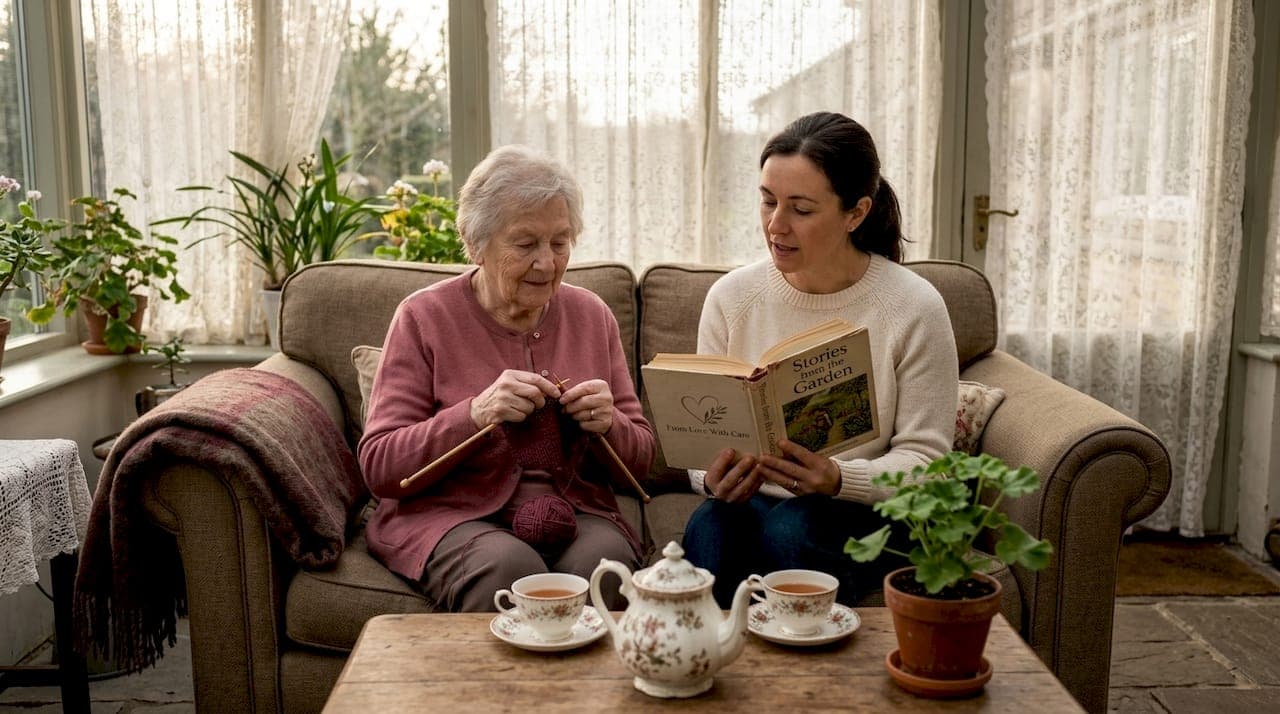
Companionship is defined as regular, relationship-focused social interaction that reduces loneliness and supports emotional wellbeing in elderly individuals. Understanding how companionship improves family peace of mind matters because the relief caregivers feel is directly tied to the emotional state of their loved one. When an older adult feels genuinely connected, the anxiety that keeps families awake at night begins to ease. Clinical research from JAMA Network Open and BMC Geriatrics now confirms what many families already sense: structured, personalised companionship produces measurable improvements in both elderly wellbeing and caregiver quality of life.
How companionship reduces loneliness and social isolation in older adults
Loneliness and social isolation are related but distinct conditions. Loneliness is the subjective feeling of insufficient connection; social isolation is the objective lack of social contact. Both carry serious health consequences, and addressing one without the other limits the benefit.
A randomised clinical trial published in JAMA Network Open, involving 1,151 participants with a mean age of 76.6, found that telephone-based behavioural activation and mindfulness interventions sustainably reduced loneliness and improved psychological wellbeing over 12 months. This is significant because it demonstrates that even remote, structured contact produces durable change, not just a temporary lift in mood. The same trial showed that reducing social isolation accounted for between 13.5% and 18% of the total improvement in loneliness scores. In other words, getting an older adult more socially connected is a core mechanism, not a side effect.
Behavioural activation works by encouraging positive activities that create meaning and a sense of accomplishment. Mindfulness-based approaches help older adults shift their relationship with negative thoughts about being alone. Together, these methods build a more positive social attitude, which makes subsequent companionship visits more effective.
Families can observe several signs that companionship is working: improved mood after visits, more willingness to discuss plans, reduced complaints of boredom, and greater interest in daily routines. These are not trivial markers. They signal genuine neurological and emotional change.
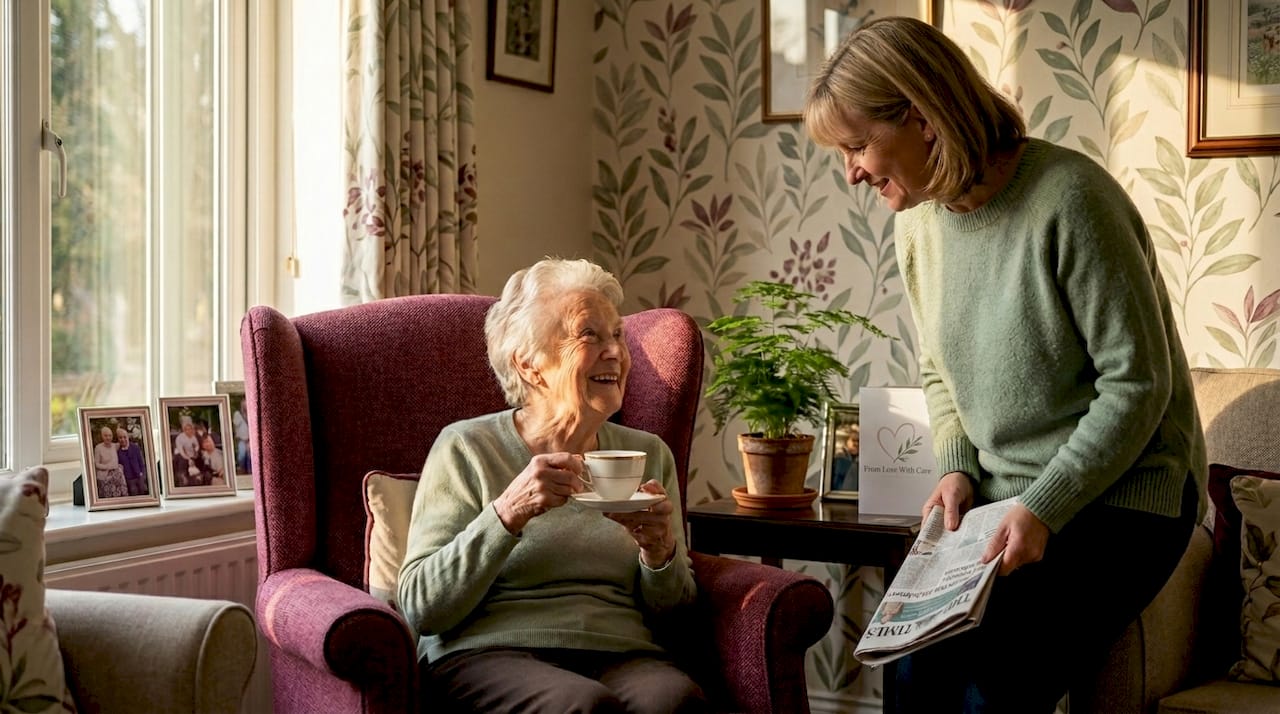
Pro Tip: Aim for regular, scheduled companionship rather than occasional drop-ins. Research supports structured timelines, such as 16 sessions over 8 weeks, as producing better long-term outcomes than sporadic contact. Treat visits as a therapeutic routine, not a social luxury.
Does personalised companionship work better than generic visits?
Generic, one-size-fits-all companionship models produce weaker emotional outcomes than approaches tailored to the individual. This is not an opinion. A 2026 protocol study published in BMC Geriatrics examined personalised companion robot interactions involving co-design ceremonies where older adults customised their robot companion's name, voice, and interaction style. The result was greater attachment, stronger engagement, and superior reductions in loneliness and depression compared to standardised robot interactions.
The principle transfers directly to human companionship. When a companion knows that Margaret prefers discussing gardening over television, or that Arthur finds comfort in a shared cup of tea rather than structured activities, the interaction carries more emotional weight. Personalised approaches that adapt to individual preferences are what create lasting loneliness reduction, not simply the presence of another person.
For families choosing a companionship arrangement, asking the right questions at the outset makes a real difference. Consider asking:
- What does my loved one genuinely enjoy talking about or doing?
- How will the companion adapt their approach over time as the relationship develops?
- Is there a process for gathering feedback from my loved one about the visits?
- How is the companion matched to my loved one's personality and interests?
- What happens if the match does not feel right?
Pro Tip: Involve your elderly loved one in choosing their companion wherever possible. Even small choices, such as preferred visit times or topics of conversation, increase their sense of control and make the companionship feel meaningful rather than imposed.
How facilitated social connections strengthen wellbeing beyond one-to-one visits
One-to-one companionship is valuable, but connecting elderly individuals to broader social networks multiplies the benefit. The PALS trial, conducted across two English cities, tested a facilitated social network intervention where trained facilitators mapped each participant's existing social connections, assessed their preferences, and linked them to local community resources and group activities. Improvements in mental health outcomes were measured at six months, alongside a positive economic evaluation.
The intervention works in stages. A facilitator first creates a social map with the older adult, identifying existing relationships and gaps. They then identify local activities aligned with the person's interests, whether that is a community choir, a walking group, or a local library reading club. The facilitator actively supports participation, helping to overcome practical barriers. This is not passive signposting. It is active, relational support.
Structural barriers are real and must be addressed directly. The PALS trial highlighted that transport and accessibility challenges frequently prevent older adults from engaging with community resources, even when they want to. Families who assist with transport or help identify accessible venues make a measurable difference to participation rates.
The table below compares three main companionship models to help families understand their relative strengths.
| Companionship type | Primary benefit | Key limitation |
|---|---|---|
| Direct one-to-one visits | Deep personal connection and trust | Limited to one relationship at a time |
| Facilitated social network intervention | Broader community integration and resilience | Requires active facilitator and transport support |
| Socially assistive robots | Consistent availability and personalisation | Cannot replace human warmth and spontaneity |
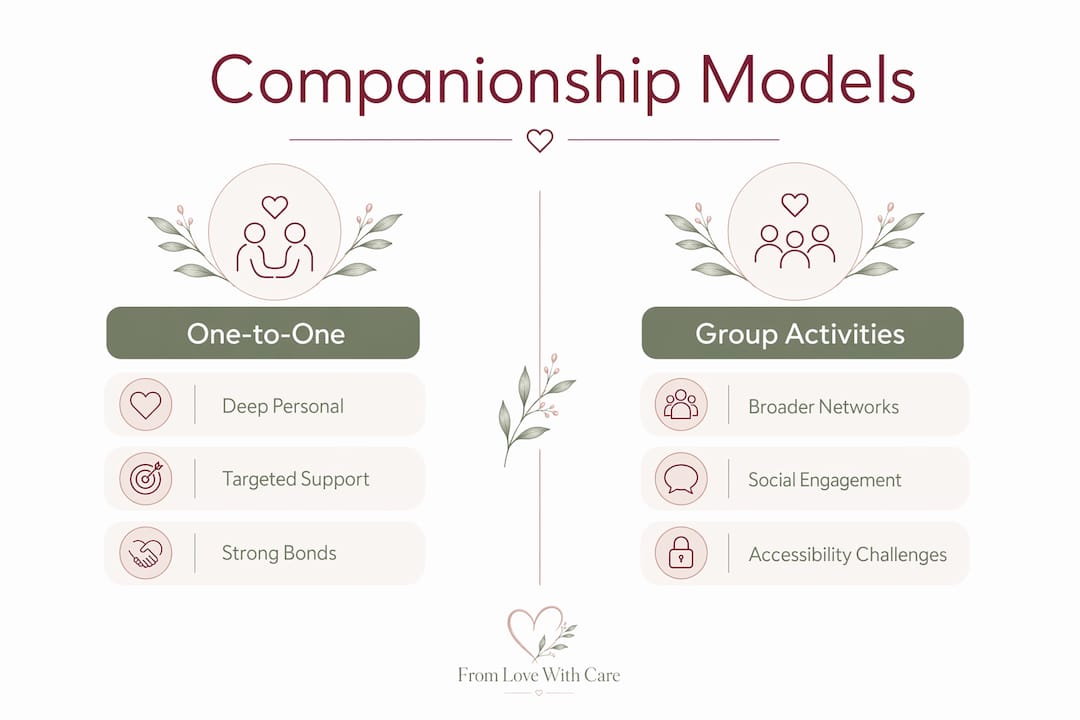
Pro Tip: Help your loved one join at least one regular group activity alongside their companion visits. Research confirms that companionship gains are maximised when paired with active pathways for social participation, not just one-to-one contact.
What companionship does for family caregivers' anxiety and burden
Caregiver burden is the accumulated physical, emotional, and psychological strain of caring for a loved one. It is also the primary mediator between caregiving and anxiety. When burden is high, anxiety follows. When burden reduces, quality of life improves.
A 2026 trial published in BMC Geriatrics examined telephone-based interventions for family caregivers of people with dementia in Malaysia. It found that caregiver burden reduction directly mediated improvements in caregivers' quality of life and mental health. The peace of mind families experience is not simply about knowing their loved one is safe. It comes from emotional relief, from the sense that someone else is genuinely present with and for their relative.
Caregivers who lack support often experience a recognisable cluster of symptoms:
- Persistent worry about their loved one's safety and emotional state
- Guilt about not doing enough, even when doing a great deal
- Physical exhaustion combined with difficulty sleeping
- Withdrawal from their own social relationships
- Irritability and reduced patience in daily interactions
Structured companionship addresses several of these directly. When a trusted companion visits regularly, the caregiver gains genuine respite, not just time away, but the psychological relief of knowing their loved one is engaged and cared for. That relief is what improves caregiver quality of life and reduces anxiety over time.
Pro Tip: If you recognise three or more of the symptoms above in yourself, treat that as a signal to seek support now rather than later. Caregiver stress compounds quickly. Arranging consistent companionship for your loved one is one of the most direct ways to protect your own mental health.
How family bonds and companionship promote lasting health behaviours
Strong family bonds do more than provide comfort. They actively shape health behaviours and psychological resilience. A global study published in Science Advances, drawing on a sample of 13,264 participants, found that intense bonding with family and close social groups predicted adherence to beneficial health behaviours and reduced anxiety and depression, including during the significant stressors of the pandemic period.
This matters for elderly care because an older adult embedded in warm, consistent relationships is more likely to follow health routines, attend appointments, eat regularly, and report symptoms early. Family cohesion is not just emotionally supportive. It is clinically protective. Belonging to multiple bonding groups, whether family, friends, or community organisations, further enhances mental resilience and the ability to cope with stressful life events.
Families can nurture these bonds through deliberate, consistent practices:
- Establish a regular shared ritual, such as a weekly phone call, a Sunday lunch, or a daily morning check-in message.
- Involve your loved one in family decisions where appropriate, reinforcing their sense of belonging and value.
- Arrange companion visits on a fixed schedule so your loved one has something to look forward to each week.
- Connect your loved one to at least one community group aligned with their interests.
- Celebrate small milestones together, such as a month of regular walks or completing a new activity.
Pro Tip: Daily rituals carry more emotional weight than occasional grand gestures. A five-minute daily phone call does more for family harmony and wellbeing than a monthly visit alone. Consistency signals that your loved one is genuinely thought of, not just checked on.
Key takeaways
Companionship reduces family anxiety most effectively when it is consistent, personalised, and actively connected to broader social participation rather than limited to occasional visits.
| Point | Details |
|---|---|
| Consistency over frequency | Structured, regular contact produces durable mental health gains; sporadic visits do not. |
| Personalisation matters | Tailoring companionship to individual preferences creates stronger emotional bonds and greater loneliness reduction. |
| Social networks amplify benefits | Connecting elderly loved ones to community activities multiplies the impact of one-to-one companionship. |
| Caregiver relief is measurable | Reducing caregiver burden directly improves caregivers' quality of life and lowers anxiety. |
| Family bonds protect health | Strong family connections predict better health behaviours and psychological resilience in older adults. |
Why I think we underestimate companionship as an emotional intervention
By Ayomide
Most families I speak with think of companionship as a practical arrangement, someone to sit with Mum while they get on with work. What the research, and what I have observed repeatedly, tells a different story. Companionship is an emotional intervention with clinical-grade effects. The families who see the greatest change are those who treat it that way.
The hardest thing to convey is that peace of mind does not come from surveillance. It does not come from knowing your loved one is physically safe. It comes from knowing they feel genuinely connected to another human being. That distinction changes everything about how you plan and choose a companionship arrangement.
My honest recommendation is this: before you arrange anything, sit with your loved one and ask them what they miss most about their social life. The answer will tell you more than any assessment form. Then build the companionship around that answer. Involve them in the choice of companion. Map out what community activities exist near them. And then, critically, protect your own wellbeing too. You cannot sustain care from an empty reserve. Seeking support for your loved one and seeking support for yourself are the same act of love.
— Ayomide
How Fromlovewithcare helps families find genuine peace of mind
Fromlovewithcare was built specifically to address the kind of loneliness that goes unspoken: the older adult who has not had a real conversation in days, and the family member who lies awake worrying about them. The service offers personalised companion visits designed around your loved one's interests and personality, not a generic checklist.
Every companion is thoroughly vetted, and the focus is entirely on human connection, whether that is a shared cup of tea, a walk to the shops, or simply a conversation that makes someone feel seen. Families consistently report that regular visits through Fromlovewithcare reduce their own anxiety and give them confidence that their loved one is genuinely cared for. If you are ready to explore what structured, relationship-driven companionship looks like in practice, visit the companionship services page to find the right arrangement for your family.
FAQ
How does companionship reduce loneliness in elderly people?
Regular, structured companionship reduces loneliness by decreasing social isolation and creating positive social experiences. A JAMA Network Open trial with 1,151 older adults found that consistent telephone-based interventions improved loneliness scores sustainably over 12 months.
How often should a companion visit to make a real difference?
Research supports structured schedules rather than sporadic contact. Studies showing durable mental health improvements used formats such as 16 sessions over 8 weeks, suggesting that at least weekly contact is needed for meaningful benefit.
Does companionship help family caregivers as well as elderly loved ones?
Yes. A BMC Geriatrics trial found that companionship support reduces caregiver burden, which directly improves caregivers' quality of life and lowers anxiety. The emotional relief caregivers experience is a measurable clinical outcome, not just a subjective feeling.
What makes personalised companionship more effective than standard visits?
Personalised companionship creates stronger emotional attachment and greater engagement. BMC Geriatrics research on co-designed companion interactions showed that involving older adults in shaping their companionship experience produced better reductions in loneliness and depression than standardised approaches.
Can community activities replace one-to-one companionship?
Community activities complement rather than replace one-to-one companionship. The PALS trial found that facilitated social network interventions connecting older adults to local resources improved mental health outcomes, but the most effective approaches combine personal relationships with broader social participation.