
If you believe your elderly neighbour is in immediate danger or needs urgent medical help, call 999 now. For every other level of concern, the steps below will help you act quickly, safely, and with dignity.
If you're worried right now, start here:
- Try their phone number (landline and mobile). If no answer, try WhatsApp or ask a family member to call.
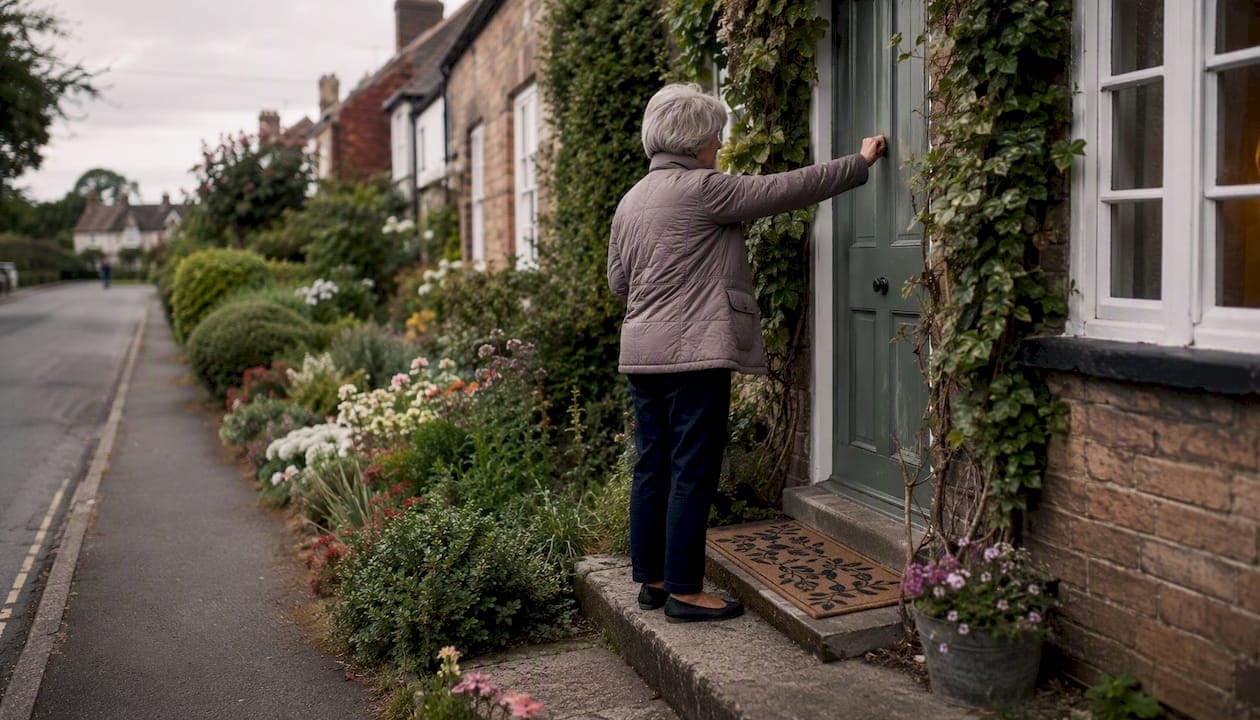
- Knock on the door, identify yourself clearly, and wait. Older people often need extra time to reach the door.
- Look through a window for any visible signs of distress, a fall, or lights left on at unusual hours.
- Ask a nearby neighbour or a building warden if they have seen the person recently.
- If you still cannot make contact and you are genuinely concerned, call 101 (police non-emergency) to request a safe-and-well check, or NHS 111 for medical advice.
Key numbers to have ready: 999 (emergency), 101 (police non-emergency), NHS 111 (medical advice), Age UK helpline: 0800 678 1602, Hourglass Safer Ageing: 0808 808 8141.
According to national data, social isolation affects a significant proportion of older people in the UK, and regular contact, whether from a neighbour, family member, or trained companion, can make a meaningful difference to their wellbeing.
Key takeaways
Regular, respectful contact from a neighbour, combined with knowing when and who to call, is the most effective way to protect an elderly person's safety and wellbeing in the UK.
| Point | Details |
|---|---|
| Emergency threshold | Call 999 if there is immediate danger or a medical emergency; use 101 for non-urgent welfare checks. |
| Key helplines | Age UK (0800 678 1602) and Hourglass (0808 808 8141) offer free advice on welfare and safeguarding concerns. |
| Respectful visits | Knock, identify yourself, speak clearly, and allow time; never accept bank details or attempt medical tasks. |
| Reporting concerns | Contact the local council adult safeguarding team or police (101) if you suspect abuse, neglect, or exploitation. |
| Fromlovewithcare | Provides DBS-checked companions and emergency welfare checks for older people needing regular, vetted support. |
Table of Contents
- How worried should you be? Signs and red flags to look for
- Who to call and when: urgent vs non-urgent decisions in the UK
- How to check on an elderly neighbour in person, respectfully and safely
- UK helplines and services to contact for a welfare check
- What to do if you suspect abuse, neglect, or financial exploitation
- Simple, safe ways you can help an elderly neighbour regularly
- Why formal welfare checks and vetted companionship reduce risk
- Why neighbours are still the first line of care
- Fromlovewithcare: vetted companionship and welfare checks when you need them
- Sources
How worried should you be? Signs and red flags to look for
Not every missed wave at the window is cause for alarm. The difference between a quiet day and a genuine welfare concern usually comes down to pattern and change.
Watch for these signs when you check on an elderly neighbour:
- Changes in appearance: unwashed clothes worn repeatedly, unkempt hair, or visible weight loss over a short period.
- Missed routines: curtains still drawn at midday, post piling up, or a regular outing that has stopped without explanation.
- Unexplained injuries: bruising, cuts, or burns that appear without a clear reason.
- Smells: a strong smell of urine, gas, or rotting food near the property.
- Unpaid bills or financial confusion: letters from utility companies, bailiff notices, or confusion about money that is new.
- Withdrawal: a previously sociable person who no longer answers the door or phone, or who seems fearful or anxious when they do.
- Poor hygiene or living conditions: visible clutter or waste through windows, or a person who appears unwashed when you do see them.
- Missed medication: tablets left untouched, or a person who mentions they have not been able to collect a prescription.
A single missed appointment or a quiet week is rarely a crisis. The concern rises when you notice several of these signs together, or when a pattern repeats over days rather than hours. Age UK's guidance is clear: if you are worried, contact local services or their helpline rather than waiting to be certain.
One occasional lapse in routine is normal for anyone. It is the repeated, escalating pattern that signals something may be wrong and warrants a call to a professional service.
Who to call and when: urgent vs non-urgent decisions in the UK
Knowing which number to dial saves time and gets the right help to the right person.
-
Call 999 if you can see or strongly suspect the person is unconscious, has fallen and cannot get up, is showing signs of a stroke or heart attack, or is in immediate physical danger. This is the threshold for a life-threatening emergency.
-
Call 101 (police non-emergency) to request a welfare or safe-and-well check when you cannot reach the person and have genuine concern, but there is no visible immediate danger. Officers will attend and report back to you.
-
Call NHS 111 when you have a medical concern that is not life-threatening. The 111 team can advise whether a GP visit, urgent treatment centre, or ambulance is appropriate.
-
Contact the GP surgery if you know the person's doctor and the concern is health-related but not urgent. A GP can trigger a home visit or refer to community health services.
-
Contact local council adult social care for concerns about ongoing welfare, self-neglect, or suspected abuse that do not require an immediate police response. Use the Gov to identify the right team for the person's area.
-
Call Age UK on 0800 678 1602 for advice on local services, what steps to take next, and how to support an older person who may be reluctant to accept help.
-
Call Hourglass on 0808 808 8141 if you suspect abuse, neglect, or financial exploitation of an older person. The line is confidential and free.
Before you call, have ready: the person's full address, a brief description of your concern, any known health conditions, and the names or numbers of any family members or contacts you are aware of.
How to check on an elderly neighbour in person, respectfully and safely
A straightforward visit answers most concerns. The NHS advises that stopping to speak to an older person and offering simple practical support is often the most effective first step.
- Time your visit thoughtfully. Mid-morning or early afternoon tends to work well. Avoid very early or late visits, which can feel intrusive or alarming.
- Knock and identify yourself clearly. Say your name and that you live nearby. A calm, familiar voice reduces anxiety, particularly for someone with hearing difficulties or dementia.
- Speak clearly and allow time. Pause between sentences. Do not raise your voice unless you know the person has a hearing impairment; a slow, clear tone is more helpful than volume.
- Keep the opening simple. Try: "Hello, it's [your name] from next door. I just wanted to check you're all right — I haven't seen you for a few days." Short, warm, and non-intrusive.
- If they answer but seem unwell, ask directly: "Is there anything I can help with today?" or "Would you like me to call someone for you?"
- If there is no answer and you have visible cause for concern (a smell of gas, someone visible on the floor), call 999. Do not attempt to force entry yourself.
Boundaries matter on both sides. Never accept bank cards, PINs, or cash from a vulnerable neighbour, even if they offer. Do not attempt to administer medication or provide clinical care. If the person refuses help but you remain concerned, note what you observed and contact 101 or the local council adult social care team.
Pro Tip: If you involve a mutual neighbour or a family member in a visit, agree beforehand who will speak and what you will say. Two people arriving unannounced can feel overwhelming. Afterwards, write down the date, time, and what you observed — this record is useful if you later need to report concerns to the police or adult safeguarding team.

For conversation ideas that feel natural and respectful, this guide to elderly companionship conversation topics offers practical prompts you can adapt for a short doorstep visit.
UK helplines and services to contact for a welfare check
The table below lists the key services, their contact details, and when each one is the right call.
| Service | Contact | When to use it |
|---|---|---|
| Emergency services | 999 | Immediate danger, medical emergency, life-threatening situation |
| Police non-emergency | 101 | Request a safe-and-well check when you cannot reach someone |
| NHS 111 | 111 | Medical concern that is not life-threatening |
| Age UK helpline | 0800 678 1602 | Advice on local services and next steps when worried |
| Hourglass Safer Ageing | 0808 808 8141 | Suspected abuse, neglect, or financial exploitation |
| Local council adult social care | Via Gov | Ongoing welfare concerns, self-neglect, safeguarding referrals |
| GP surgery | Practice number | Health concerns requiring a home visit or community referral |
Age UK also provides written guidance on the signs to look for and how to navigate local services if you are unsure where to start.
What to do if you suspect abuse, neglect, or financial exploitation
Abuse of older people is more common than many people realise, and it is not always physical. Financial exploitation, emotional abuse, and deliberate neglect all warrant a formal response.
-
If a crime is in progress or the person is in immediate danger, call 999. Do not wait. As Gov, this is the correct route when someone is at immediate risk.
-
For non-immediate concerns, contact the local council adult safeguarding team. Use the Gov to locate the right team. You do not need proof to make a referral; a reasonable concern is enough.
-
Call 101 to report suspected abuse to the police when no immediate danger is present. Officers can conduct a welfare check and refer the case to safeguarding services.
-
Call Hourglass on 0808 808 8141 for confidential advice before or after making a report. The helpline supports callers through the process and can advise on next steps.
-
Document what you have observed. Note dates, times, any visible injuries, changes in behaviour, and any conversations you have had. Keep this record factual and specific. Do not conduct searches of the property or put yourself in a position of risk.
-
After a referral, expect a response. The council safeguarding team is required to acknowledge your concern and decide on next steps, which may include a home visit, a multi-agency assessment, or a referral to the police.
Signs that may indicate abuse include unexplained injuries, sudden changes in financial circumstances, a person who appears fearful or withdrawn around a particular individual, or evidence that medication is being withheld.
Simple, safe ways you can help an elderly neighbour regularly
You do not need to be a professional carer to make a real difference. Small, consistent acts of neighbourly support can reduce isolation and help spot problems early.
- Weekly shopping runs: offer to pick up a few items when you go, or ask if they would like to come with you.
- Prescription collection: many older people find it difficult to collect regular medication. A quick trip to the pharmacy takes minutes for you and can be significant for them.
- Regular phone check-ins: a brief call on the same day each week gives the person something to look forward to and gives you a reliable way to notice if something has changed.
- Lifts to appointments: GP visits, hospital outpatient appointments, and social activities become much harder without transport. Offering a lift occasionally can prevent missed care.
- Invitations to local groups or walks: a gentle, low-pressure invitation to a community group, a park walk, or a local event can ease isolation without feeling like an intervention.
On frequency and timing: a predictable, regular check-in is more reassuring than sporadic visits. A weekly knock or call at roughly the same time feels friendly rather than intrusive. Routine visits also make it easier to notice gradual changes that a one-off visit might miss.
Boundaries to keep: never accept payment, bank details, or financial responsibility from a neighbour, however insistently they offer. Do not give medical advice or handle medication. If the person's needs grow beyond what neighbourly support can safely cover, contact the GP, local council adult social care, or a vetted companionship service. Local council guidance is clear that neighbours should act as a bridge to professionals, not a replacement for them.

Why formal welfare checks and vetted companionship reduce risk
A neighbourly visit is a good first step, but it has limits. Formal welfare checks and trained companionship services offer something a well-meaning neighbour cannot: consistent protocols, professional training, and a clear escalation path.
A welfare or safe-and-well check requested via 101 or a council adult social care referral is a normal, appropriate response when you cannot reach someone and have genuine concerns. It is not an overreaction, and it does not require certainty that something is wrong.
National data on loneliness shows that regular contact and companionship improve wellbeing for many older people. The evidence supports both neighbourly check-ins and more structured forms of support.
Services like Fromlovewithcare provide exactly this kind of structured support: regular friendly visits, welfare check-ins, and DBS-checked companions who are trained to spot concerns and refer appropriately. They do not provide medical or personal care, but they do provide consistent, trustworthy human contact. For families who cannot visit regularly, how professional visits support ageing parents explains how this kind of service complements, rather than replaces, what neighbours and family already do.
Why neighbours are still the first line of care
There is something that no helpline or formal service can fully replicate: the fact that you already know this person. You know their routine, their face, the sound of their television through the wall. That familiarity is genuinely protective.
Consistent, kind check-ins from a neighbour can catch problems weeks before a formal service would ever be involved. A missed wave, a light left on all night, a bin that has not been moved — these are signals that only someone nearby would notice. Acting on them, even with a simple knock and a brief conversation, can prevent a crisis from becoming a catastrophe.
The dignity of older people depends partly on communities that pay attention. You do not need training or authority to do that. You just need to show up.
Fromlovewithcare: vetted companionship and welfare checks when you need them
When a neighbour's needs go beyond what a friendly knock can address, Fromlovewithcare offers a practical, compassionate next step. Every companion is DBS-checked and trained to provide genuine human connection, whether that is a regular weekly visit, a shared activity, or a rapid welfare check when a family member cannot get there in time.
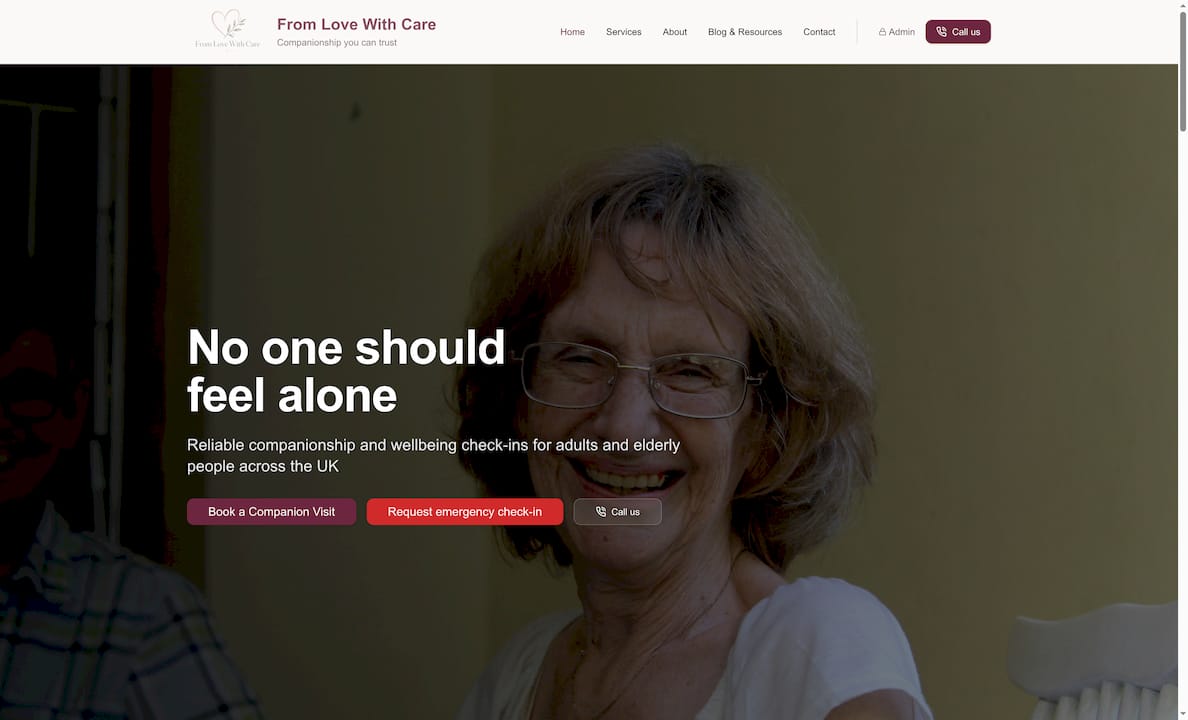
Unlike a care agency, Fromlovewithcare focuses entirely on companionship and social support, not medical or personal care. That distinction matters: it means companions are there to listen, to notice, and to be present, without overstepping into clinical territory. For families who live at a distance, or neighbours who have done everything they can and still feel uncertain, a vetted companionship visit or an emergency welfare check provides a reliable, professional layer of reassurance.
If you are concerned about an elderly neighbour and want to arrange a visit or a rapid welfare check, visit Fromlovewithcare to see the full range of options and book a visit.
Sources
- Loneliness in older people: how to help - NHS
- Gov
- Welfare checks for older people: what they are and how to arrange one (UK) | Getwello
- Gov
- Facts and statistics - Campaign to End Loneliness