
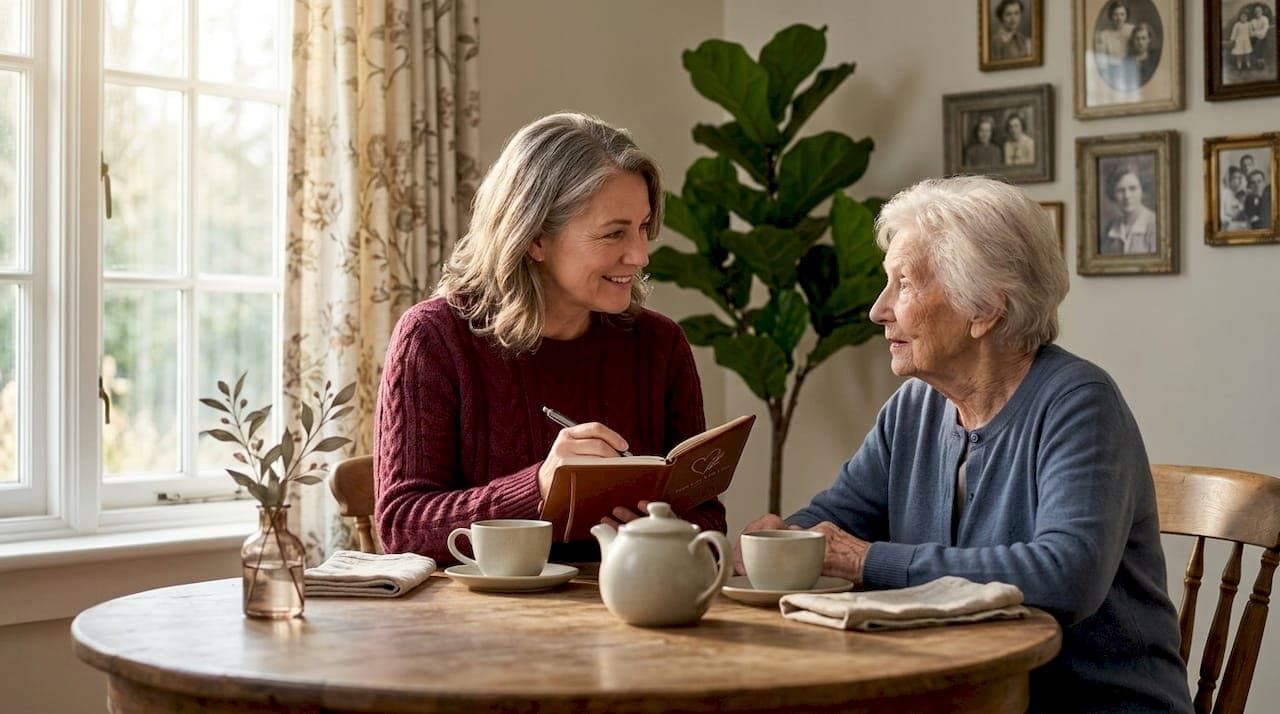
Professional companionship is a structured service that provides regular social presence and emotional support to isolated individuals, filling care gaps that personal or clinical services cannot reach. For the estimated 3.8 million older people in the UK who go at least a week without meaningful conversation, this distinction matters enormously. How professional companionship fills care gaps is not a question of replacing nurses or carers. It is a question of addressing the human need for connection that formal care systems routinely overlook. Fromlovewithcare exists precisely because that gap is real, measurable, and harmful.
How does professional companionship differ from personal care?
Professional companionship and personal care serve entirely different purposes, and confusing the two leaves real needs unmet. Personal care covers physical tasks: washing, dressing, medication prompts, and mobility support. Companionship focuses on social and emotional presence, the kind of support that makes a person feel seen, heard, and valued.
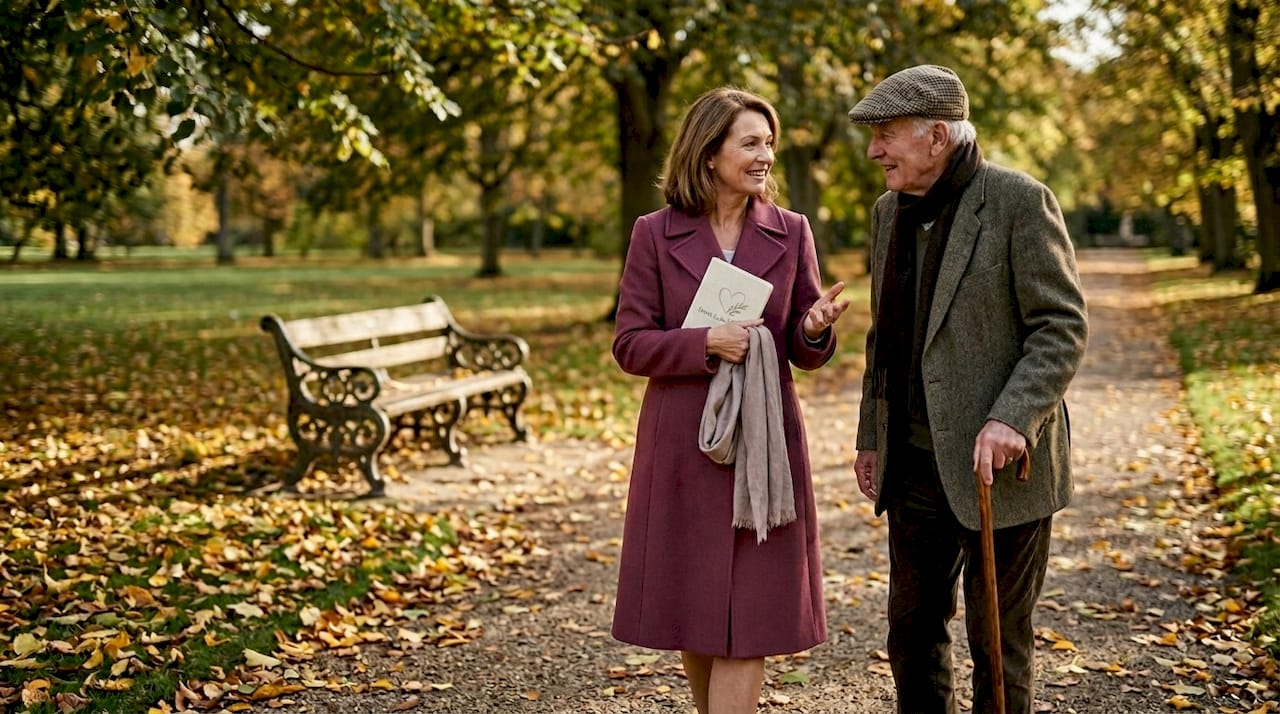
A companion's role typically includes shared activities such as conversation over tea, accompanying someone on a walk, helping with light shopping, or simply sitting together to watch television. These interactions are not incidental. They are the service. The companion is not there to complete a task list and leave. They are there to be present in a way that builds genuine trust over time.
This distinction also matters legally and professionally. A 2026 legal analysis advises that AI companions should be treated as social support tools, not clinical instruments, to avoid improper diagnosis or treatment decisions. The same principle applies to human companions. Their role is observation and social presence, not clinical judgement.
Key characteristics that separate professional companionship from personal care:
- Relationship-centred: The companion builds a consistent, trusted relationship with one individual rather than rotating through task-based visits.
- Emotionally focused: Conversations, shared interests, and emotional attunement are the primary outputs, not physical assistance.
- Boundary-aware: Companions observe and report concerns but do not diagnose, treat, or advise on medical matters.
- Flexible and personalised: Activities reflect the individual's preferences, cultural background, and current mood rather than a fixed care plan.
Pro Tip: When evaluating a companionship service, ask specifically whether companions receive training in emotional boundaries and safeguarding. A well-trained companion knows when to escalate a concern to a family member or GP without overstepping their role.
How does professional companionship reduce loneliness and improve wellbeing?
Loneliness and social isolation are related but distinct conditions, and this difference shapes how companionship works as a care gap solution. Social isolation is objective: a person has few or no social contacts. Loneliness is subjective: a person feels disconnected regardless of how many people surround them. Research confirms that loneliness independently predicts lower mental and physical health-related quality of life in older adults, with a coefficient of −0.76 for mental health quality of life. Social isolation alone does not carry the same association. This means that simply increasing contact frequency is not enough. The quality and emotional resonance of that contact is what reduces loneliness.
Professional companionship targets this subjective experience directly. A companion who remembers that someone prefers Earl Grey, knows their grandchildren's names, and asks about the garden they can no longer tend provides something qualitatively different from a brief welfare check. That consistency builds the sense of being known, which is what loneliness actually erodes.
The physiological evidence is equally striking. A 2026 Nature Communications analysis found that low social support is associated with approximately 1.9 years of accelerated physiological ageing in older adults. Low social support was linked to 35% greater age acceleration. This is not a metaphor. Social disconnection changes how the body ages at a cellular level.
"Loneliness is not simply the absence of people. It is the absence of feeling understood. Professional companionship addresses that absence directly, through consistent, personalised human presence."
The table below summarises key research findings on companionship and wellbeing outcomes:
| Study | Key finding |
|---|---|
| European Journal of Ageing, 2025 | Loneliness coefficient −0.76 for mental HRQoL; effect stronger in women |
| Nature Communications, 2026 | Low social support linked to 35% greater physiological age acceleration |
| BMC Medicine, 2026 | Social isolation carries adjusted hazard ratio of 1.28 for all-cause mortality |
| Springer BMC Geriatrics, 2026 | Personalised companionship interactions improve psychosocial engagement over standard contact |
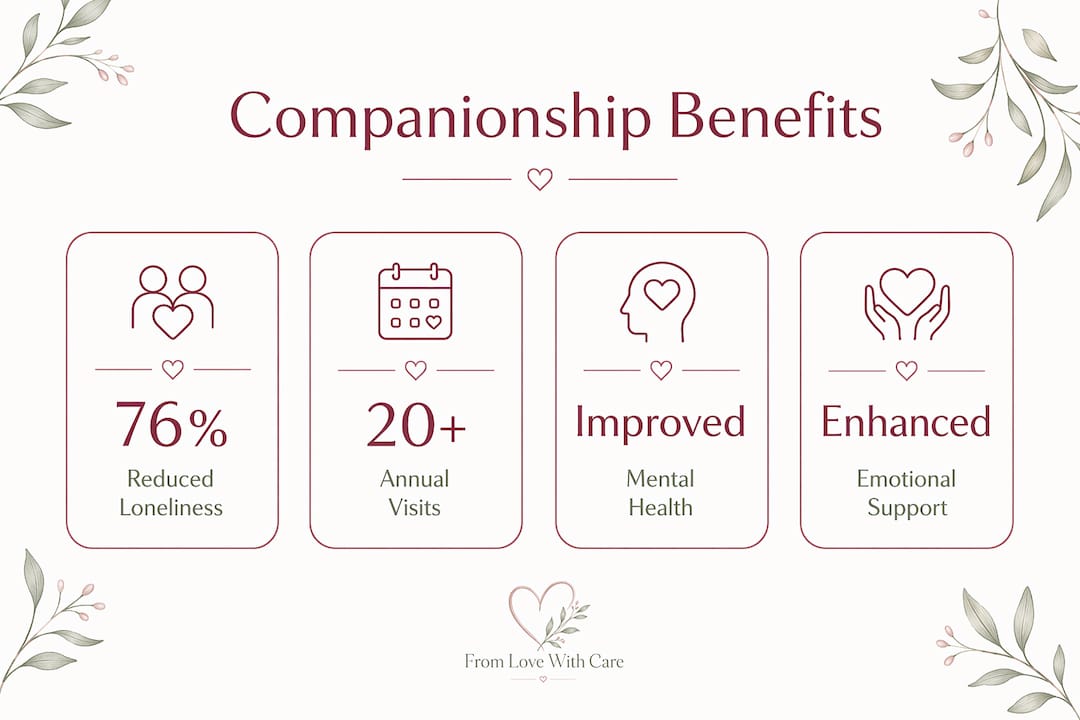
Programmes like the Aged Care Volunteer Visitors Scheme (ACVVS) in Australia demonstrate this at scale. The ACVVS recruits and trains volunteer visitors who are police-checked and matched to individuals for at least 20 visits per year. The structured, recurring nature of those visits is what builds the social connection that reduces loneliness. Transient contact does not achieve the same result.
What care gaps does professional companionship address?
The care gaps that professional companionship fills are specific, and understanding them helps families and individuals make better decisions about support. These are not gaps caused by poor care quality. They are gaps that exist because personal care and clinical services were never designed to address emotional and social needs.
The most significant gaps include:
-
Subjective loneliness in people who receive regular care. A person can receive daily personal care visits and still feel profoundly lonely. Care workers are often time-pressured and task-focused. Companionship fills the emotional space that care visits leave empty.
-
Social access barriers caused by mobility or geography. Many older adults cannot attend community groups, visit friends, or travel independently. The ACVVS specifically targets seniors facing mobility issues or cultural isolation that limits their social activities. A companion brings social connection directly to the person.
-
Cultural and linguistic isolation. Older adults from minority communities may struggle to connect with services or neighbours who do not share their language or cultural background. A companion matched for cultural sensitivity addresses this gap in a way that generic services cannot.
-
The mortality risk of living alone. A 2026 BMC Medicine study found that living alone is the strongest predictor of social isolation-related mortality, with an adjusted hazard ratio ranging from 1.18 to 1.45. Regular companionship visits reduce the intensity of that isolation and provide a consistent point of human contact.
-
Emotional support needs unmet by family carers. Family members often carry significant caring responsibilities and cannot always provide the relaxed, unhurried presence that a professional companion offers. A companion is not managing medication or worrying about the next appointment. They are simply there, which is sometimes the most powerful form of support available.
These gaps are not minor inconveniences. Unaddressed loneliness carries health consequences comparable, in some research, to smoking 15 cigarettes a day. Addressing care gaps with companionship is not a luxury. It is a health intervention.
How to choose a professional companionship service that truly fits
Selecting a companionship service requires more than checking availability and cost. The quality of the relationship between companion and individual determines whether the service actually reduces loneliness or simply adds another visitor to the calendar.
Start by assessing these factors:
- Consistency of the same companion. Rotating companions undermine the trust-building that makes companionship effective. Ask whether the service guarantees the same person for each visit wherever possible.
- Matching process. A good service asks about interests, personality, cultural background, and communication preferences before making a match. A personalised approach consistently produces stronger psychosocial outcomes than standardised contact.
- Vetting and training. Companions should be DBS-checked (or equivalent), trained in safeguarding, and supported by a supervising organisation. This protects both the individual and the companion.
- Boundary clarity. The service should have a clear protocol for what companions do and do not do. Role creep, where a companion gradually takes on medical or personal care tasks, creates confusion and risk for everyone involved.
- Measuring effectiveness. The right measure of success is not how many visits occurred. It is whether the individual feels less lonely. Families should assess companionship effectiveness by asking directly how connected and valued their loved one feels after visits.
Pro Tip: Ask the service how they handle a situation where the companion and the individual do not connect well. A reputable provider will have a clear, non-judgmental process for rematch rather than expecting both parties to persist with a poor fit.
The difference between a companionship service and a care agency is worth understanding before you commit. Care agencies are regulated for personal and clinical tasks. Companionship services are built around relationship quality. Both have value, but they serve different needs.
Key takeaways
Professional companionship fills care gaps by providing consistent, personalised emotional and social support that personal care and clinical services are not designed to deliver.
| Point | Details |
|---|---|
| Loneliness is the target, not isolation | Reducing subjective loneliness improves mental health quality of life; visit frequency alone is insufficient. |
| Personalisation drives outcomes | Companions matched to individual preferences and culture produce stronger wellbeing results than generic contact. |
| Living alone carries measurable risk | Social isolation linked to 1.28 adjusted hazard ratio for all-cause mortality; companionship directly reduces this risk. |
| Role clarity protects everyone | Companions observe and support socially; they do not diagnose, treat, or replace clinical care. |
| Effectiveness is measured by feeling, not frequency | Families should regularly ask how connected and valued their loved one feels, not just how often visits occur. |
Why companionship deserves a place at the care table
I have spent considerable time reviewing how care systems respond to loneliness, and the pattern is consistent. Clinical services treat the body. Personal care manages daily function. Neither is designed to sit with someone and ask how they are really feeling. That gap is not an oversight. It reflects how care was structured, around tasks that can be measured, timed, and billed. Emotional presence does not fit neatly into that model.
What strikes me most about the evidence from 2026 research is that the physiological consequences of social disconnection are now measurable. When low social support accelerates biological ageing by nearly two years, we are no longer talking about a quality-of-life preference. We are talking about a health outcome. That changes the conversation entirely.
The importance of companionship in care is not sentimental. It is structural. A person who feels genuinely connected to another human being is less likely to deteriorate, less likely to present at A&E with anxiety or confusion, and more likely to engage with the rest of their care. Companions who build real relationships become early warning systems, noticing changes in mood or behaviour that family members and busy carers miss.
My honest view is that companionship services are undervalued precisely because they look simple from the outside. Sitting with someone over tea does not look like healthcare. But the research says otherwise, and families who have seen the change in a loved one after consistent, trusted companionship visits know it too.
— Ayomide
How Fromlovewithcare supports you in filling care gaps
Fromlovewithcare was built around one clear belief: that human connection is not optional for wellbeing. It is the foundation of it. Every companion on the platform is thoroughly vetted, DBS-checked, and matched carefully to the individual they visit, whether that means sharing a pot of tea, accompanying someone to the shops, or simply being a familiar, trusted face each week.
If someone you love is going days without meaningful conversation, or if you are concerned about the emotional wellbeing of an elderly parent or relative, Fromlovewithcare offers a practical, compassionate next step. Explore the full range of elderly companionship services available across the UK, or visit the loneliness support services page to understand how the right companion can make a measurable difference. Arrange a visit today and give your loved one the connection they deserve.
FAQ
What is professional companionship and how does it differ from care?
Professional companionship is a service focused on providing regular social and emotional presence to isolated individuals, distinct from personal care which addresses physical tasks such as washing or medication. A companion builds a trusted relationship through shared activities and conversation rather than completing a clinical or functional task list.
Why does companionship differ from personal care in addressing loneliness?
Personal care visits are typically task-focused and time-limited, leaving the subjective experience of loneliness unaddressed. Companionship specifically targets the feeling of being understood and valued, which research shows is the factor most strongly linked to improved mental health quality of life in older adults.
What are the main benefits of professional companionship for elderly people?
The benefits include reduced subjective loneliness, improved mental and physical health-related quality of life, and a lower risk of the health consequences associated with social isolation, including accelerated physiological ageing and increased mortality risk for those living alone.
How often should a companion visit to make a real difference?
Structured programmes such as the ACVVS recommend at least 20 visits per year to build stable social connections. Consistency with the same companion matters more than frequency alone, as the relationship itself is what reduces loneliness rather than the number of visits.
How do I know if a companionship service is working?
Effectiveness is best measured by asking the individual directly how connected and valued they feel, rather than counting visit frequency. Families should look for changes in mood, engagement, and willingness to talk about their companion as indicators that the relationship is genuinely reducing loneliness.