
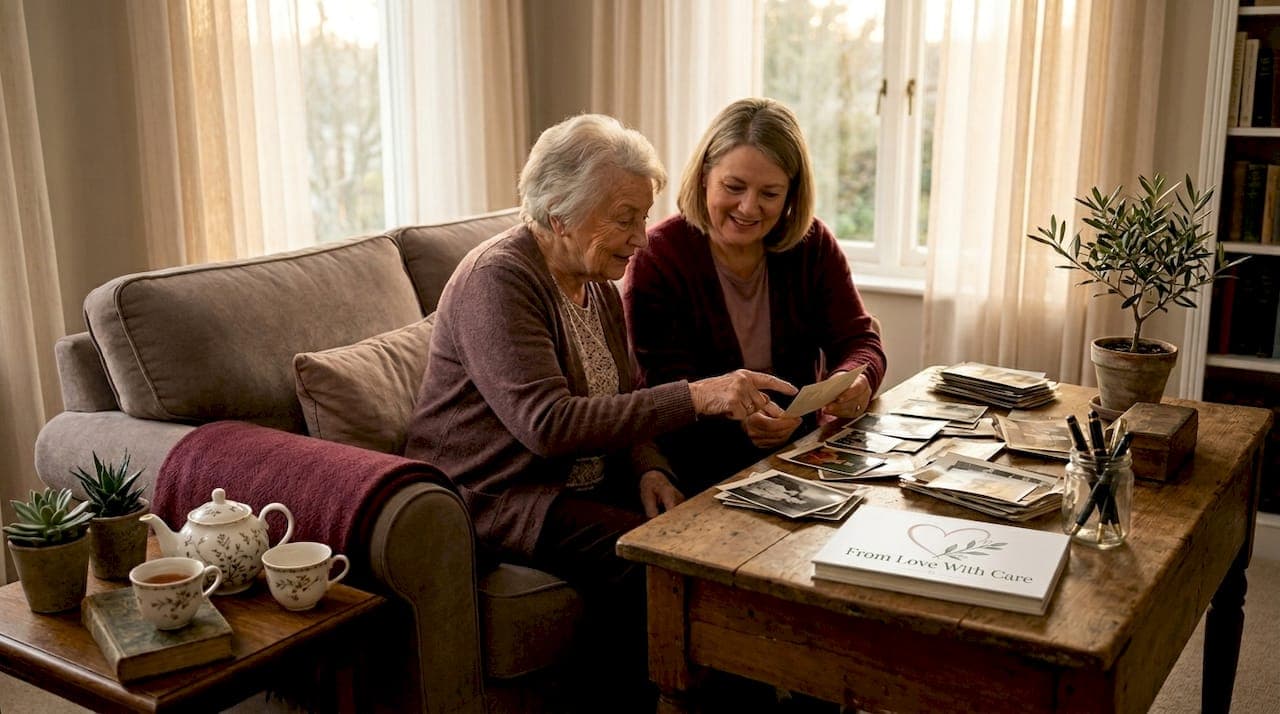
Companionship is one of the most clinically significant determinants of wellbeing in older adults, reducing loneliness, supporting mental health, and moderating physical decline. The ways a companion improves elderly wellbeing span far beyond simple social contact. Research from BMC Geriatrics and JAMA Network Open confirms that meaningful, repeated engagement lowers cardiovascular risk, reduces depression, and improves sleep quality. For families and caregivers watching a loved one withdraw from daily life, understanding these mechanisms is the first step toward making a real difference.
1. How companionship reduces loneliness and its health risks
Loneliness and social isolation are related but distinct conditions, and this distinction matters enormously for care planning. A 2026 BMC Geriatrics study confirms that loneliness carries physiological burden linked directly to cardiovascular and cerebrovascular risk, while social isolation is more strongly associated with behavioural factors. This means that simply placing an older adult in a group setting does not address the felt experience of loneliness. Emotional connection is the active ingredient.
Companions reduce loneliness by providing consistent, meaningful interaction rather than passive presence. A weekly visit that includes shared conversation, a cup of tea, or a walk to the shops creates a sense of being known and valued. This emotional recognition is what targets loneliness specifically and lowers its associated health risks.
"Loneliness is not about how many people surround you. It is about whether those interactions feel meaningful and reciprocal."
For families, this reframes the goal. The question is not simply whether your loved one sees people, but whether those interactions feel genuinely connecting. Fromlovewithcare builds its entire service model around this principle, matching companions for personality and shared interests rather than availability alone.
2. Structured interventions: going beyond a friendly chat
The most effective companionship approaches are structured, not spontaneous. The 2026 HEAL-HOA randomised clinical trial, involving 1,151 adults aged 65 and over, found that telephone-delivered behavioural activation significantly reduced loneliness and improved sleep and life satisfaction at 12 months compared to standard befriending. This is a critical finding for anyone arranging support for an elderly relative.
Behavioural activation works by encouraging older adults to re-engage with activities that once brought them pleasure or purpose, rebuilding self-efficacy step by step. The HEAL-HOA trial used trained lay counsellors to deliver this intervention, demonstrating that scalable structured companionship does not require clinical specialists to be effective. This has direct implications for community-based services.
Structured companionship sessions might include:
- Setting a small weekly goal together, such as writing a letter or trying a new recipe
- Reviewing progress from the previous visit to build continuity and accountability
- Introducing mindfulness or breathing exercises during quieter moments
- Discussing memories or life history to reinforce identity and self-worth
- Planning a shared outing to a local library, garden centre, or community café
Pro Tip: When arranging companion visits, ask the service provider whether sessions follow a structured engagement model. Passive company is pleasant but structured activity produces measurably better outcomes for mental health and loneliness reduction.
3. Physical health benefits: activity, frailty, and social networks
Companionship does not only protect mental health. It has a direct, measurable impact on physical robustness. A 2026 analysis reported by ScienceAlert found that joining clubs and social activities reduces frailty risk by approximately 3% over seven years, while mentally stimulating activities reduce it by around 4%. These figures are modest individually but compound significantly when combined with regular companion engagement.

The same research highlights that having at least four relatives or friends in regular contact supports cognitive engagement and reduces frailty onset. For many older adults, a companion fills this gap when family members live far away or have demanding schedules.
| Activity type | Frailty risk reduction | Mechanism |
|---|---|---|
| Joining social clubs | ~3% over 7 years | Increased physical movement and peer interaction |
| Mentally stimulating activities | ~4% over 7 years | Cognitive engagement and neural resilience |
| Regular contact with 4+ friends or relatives | Significant | Emotional support and motivation to stay active |
Companions play a practical role in making these activities accessible. They provide transport to community groups, accompany older adults to book clubs or art classes, and offer the confidence boost that many elderly individuals need to re-engage with public life. The role of a companion in elder care extends well beyond conversation into active health maintenance.
4. Mental and emotional wellbeing: depression, sleep, and life satisfaction
Companions and mental health for seniors are closely linked through mechanisms that are now well evidenced. The HEAL-HOA trial demonstrated improvements not only in loneliness scores but also in sleep quality, depressive symptoms, and overall life satisfaction at the 12-month mark. These are not trivial gains. Poor sleep and depression in older adults accelerate cognitive decline and increase hospitalisation risk.
Meaningful social interaction triggers the release of oxytocin and reduces cortisol, the body's primary stress hormone. For an older adult who may go days without speaking to anyone, a regular companion visit resets this hormonal balance in a way that medication alone cannot replicate. The emotional continuity of seeing the same trusted person week after week builds a sense of security that is particularly protective for those living with early-stage dementia or anxiety.
Fromlovewithcare's approach to supporting elderly mental health centres on this consistency. Every companion is vetted and matched carefully, so the relationship can deepen over time rather than restart with each visit.
5. How animal companions uniquely enhance elderly wellness
Pet companionship represents a distinct and well-researched pathway to improved wellbeing. A 2026 umbrella review published in BMC Geriatrics found that dog-assisted interventions reduce loneliness and improve social interaction for older adults in care facilities, while dog owners demonstrate higher daily walking activity than non-owners. Animals offer something human companions sometimes cannot: unconditional, non-judgemental presence.
The benefits of pet ownership for older adults include:
- Emotional grounding. Pets serve as transitional objects, providing comfort during periods of grief, transition, or anxiety.
- Physical routine. Dog ownership creates a daily structure of feeding, walking, and grooming that supports physical activity and cognitive engagement.
- Social facilitation. Animals act as social catalysts in care home settings, prompting conversation and interaction between residents who might otherwise remain isolated.
- Sensory engagement. Stroking a cat or dog lowers blood pressure and provides tactile stimulation that is often absent in the lives of older adults living alone.
However, the same 2026 BMC Geriatrics review acknowledges that pet ownership carries responsibilities including financial costs, physical demands, and the emotional burden of a pet's illness or death. Families considering a pet for an elderly relative should assess their loved one's mobility, cognitive capacity, and support network before proceeding.
Pro Tip: If full pet ownership feels too demanding, many care homes and community organisations offer regular animal-assisted therapy visits. These provide the emotional and social benefits of animal interaction without the ongoing responsibilities of ownership.
6. Improving quality of life through routine and shared activities
One of the most underappreciated ways a companion improves elderly wellbeing is through the simple establishment of routine. Older adults who live alone often lose the natural rhythm of the day that social roles once provided. A companion visit on Tuesday morning becomes an anchor point for the week, something to prepare for, look forward to, and reflect on afterwards.
The activities companions share with elderly loved ones range from grocery shopping and cooking together to reading aloud, playing cards, or attending local events. Each activity serves multiple functions simultaneously: it provides stimulation, maintains practical skills, and reinforces the older adult's sense of agency and identity. This is why the impact of companionship on seniors extends well beyond the hours of the visit itself.
Families often report that their loved one seems more alert, more talkative, and more engaged with life generally after establishing a regular companion relationship. This ripple effect is consistent with the HEAL-HOA trial findings, which showed that meaningful activity engagement builds self-efficacy that persists between sessions.
7. Supporting families and caregivers: peace of mind and practical guidance
Companionship services do not only benefit the elderly individual. They provide measurable relief for families and caregivers who worry about a loved one's safety and emotional state. Knowing that a trusted, vetted companion visits regularly reduces the anxiety that many adult children carry, particularly when they live at a distance or have demanding work commitments.
Welfare checks for adults living alone are one practical extension of companion services, offering families reassurance that their loved one is safe and well between visits. This layer of support is particularly relevant given that a significant proportion of older adults in the UK live alone and may go days without meaningful contact with another person.
Families considering companion services should look for providers who vet their companions thoroughly, match based on personality and interests, and offer consistent rather than rotating staff. The relationship between companion and older adult is the mechanism of benefit. Disrupting it frequently undermines the very outcomes families are seeking to achieve.
Key takeaways
Companionship improves elderly wellbeing most effectively when it combines consistent emotional connection with structured, meaningful activity rather than passive social presence.
| Point | Details |
|---|---|
| Loneliness targets physiology | Felt loneliness raises cardiovascular and cerebrovascular risk; emotional connection is the specific remedy. |
| Structure beats presence | Behavioural activation and goal-setting produce better outcomes than unstructured visits alone. |
| Physical benefits are real | Social and cognitive activities reduce frailty risk over time and support physical robustness. |
| Pets offer unique benefits | Animal companions reduce loneliness and increase activity, but require careful planning for older adults. |
| Consistency is the mechanism | Regular, trusted companions build the emotional security that drives lasting wellbeing improvements. |
What I have learned about companion care that most articles miss
By Ayomide
Most conversations about companionship for older adults focus on what happens during the visit. In my experience, what matters more is what happens in the days between visits. When a companion relationship is working well, the older adult starts to plan, to anticipate, and to feel that their time has shape and meaning. That shift in orientation is where the real health benefit lives.
I have also noticed that families sometimes prioritise practical help over emotional connection when choosing a companion, opting for someone who can assist with errands over someone who genuinely enjoys the same kind of conversation as their loved one. The research is clear that emotional connection drives health outcomes, not task completion. A companion who shares your parent's love of gardening or old films will do more for their wellbeing than one who is simply efficient and reliable.
The hardest thing to communicate to families is that this is not a luxury. For an older adult who goes days without meaningful conversation, a well-matched companion is a clinical intervention with measurable effects on heart health, sleep, and cognitive function. Treat it with the same seriousness you would a medication review or a physiotherapy referral.
— Ayomide
How Fromlovewithcare supports your loved one's wellbeing
If you are looking for a trusted, compassionate way to reduce loneliness and improve your loved one's quality of life, Fromlovewithcare offers elderly companionship services across the UK, with every companion thoroughly vetted and carefully matched to the individual.
Whether your loved one needs a friendly face for a shared cup of tea, help with a weekly shop, or simply someone to talk to, Fromlovewithcare provides consistent, professional companionship built around emotional connection. Families consistently report greater peace of mind and visible improvements in their loved one's mood and engagement. Explore the full range of companionship and support services or get in touch today to arrange a visit.
FAQ
Does companionship genuinely improve physical health in older adults?
Yes. Research shows that social and mentally stimulating activities reduce frailty risk by 3 to 4% over seven years, and regular contact with friends or companions supports cognitive engagement and physical robustness.
What is the difference between loneliness and social isolation?
Loneliness is the felt experience of insufficient emotional connection, while social isolation refers to objective lack of social contact. A 2026 BMC Geriatrics study found that loneliness, not isolation, carries the stronger link to cardiovascular and cerebrovascular health risks.
Are pet companions as effective as human companions for elderly wellbeing?
Pets offer distinct benefits including emotional grounding, physical routine, and social facilitation, particularly in care home settings. However, a 2026 BMC Geriatrics umbrella review notes that ownership responsibilities and costs must be carefully considered alongside the benefits.
How often should a companion visit to make a meaningful difference?
Structured interventions in the HEAL-HOA trial showed significant improvements at 12 months with regular, consistent contact. Weekly visits that follow a structured engagement model produce better outcomes than infrequent or unplanned interactions.
How do I choose the right companion service for my loved one?
Look for services that vet companions thoroughly, match based on personality and shared interests, and provide consistent rather than rotating staff. The quality and continuity of the relationship is the primary driver of wellbeing outcomes.