
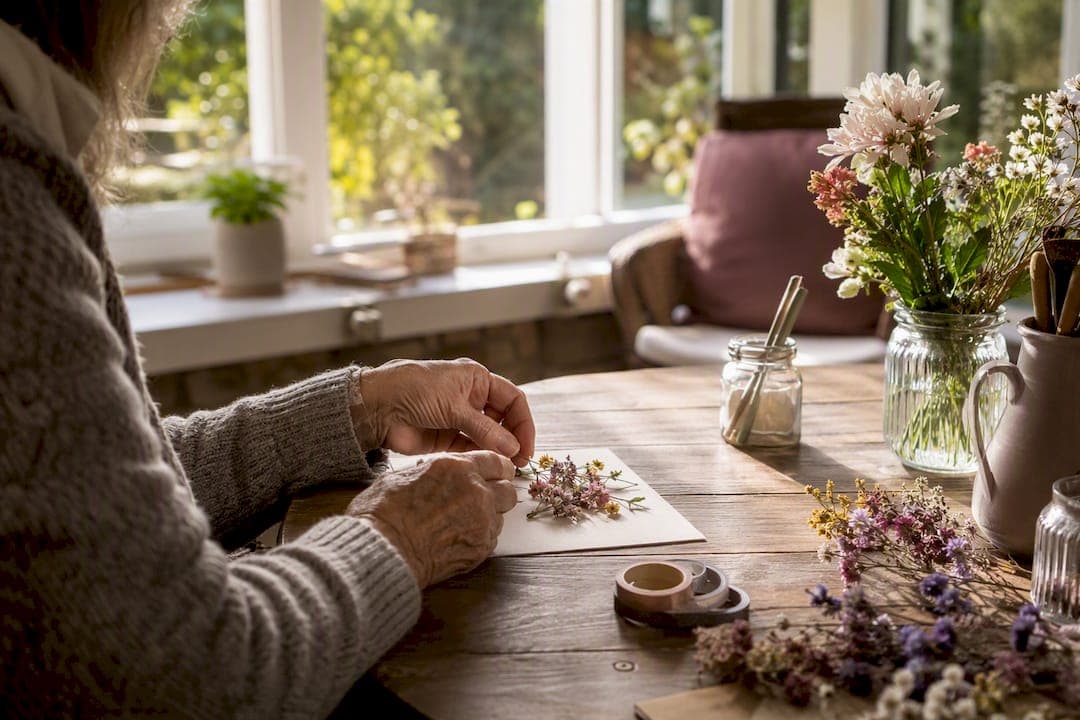
The simplest, most reliable crafts for older adults are sensory, low‑step and pauseable, ideal for anyone with limited dexterity or memory challenges. Seed art, simple collage and large‑bead jewellery all fit this brief perfectly. Pick one, gather a handful of household materials, and start with no pressure to finish in a single sitting.
TL;DR:
- Gentle, sensory crafts with minimal dexterity, such as seed mosaics or torn paper collages, provide calm engagement and sensory stimulation for older adults.
- Adjustments like thickened grips, stepwise instructions, and pre-cut materials make most crafts more accessible for those with limited hand strength or cognitive challenges.
- Short, regular craft sessions focusing on enjoyment and social interaction yield better wellbeing benefits than infrequent, intensive projects.
- Creating a supportive environment with prepared materials and simple choices encourages confidence and reduces frustration during craft activities.
- Companion-led sessions that emphasize setup, pacing, and company enhance the experience, making craft time enjoyable without needing specialized skills.
Table of Contents
- Quick starter projects: 12 easy crafts to try today
- How to adapt crafts for limited dexterity and cognition
- Materials, tools and workspace setup for senior-friendly crafting
- Three worked projects with stepwise pacing and clear adaptations
- Group, social and intergenerational craft ideas
- Evidence and benefits: what research shows about crafts for older adults
- How companions and caregivers can make crafting more rewarding
- Making creativity a gentle habit
- How a companion visit can support craft time at home
- Sources
Quick starter projects: 12 easy crafts to try today
Crafts for older adults work best when they ask little of the hands and even less of short-term memory. The twelve ideas below run from barely-any-dexterity through to slightly more involved, so you can match the activity to the person in front of you rather than forcing a fit.
Very low dexterity, high sensory reward:
- Seed and pulse mosaic on card — glue dots or PVA, mixed seeds and lentils. Pre-draw a simple outline (a flower, a heart) so all that's needed is placing and pressing.
- Torn paper collage — magazine pages or coloured tissue paper, torn rather than cut. Tearing needs far less grip strength than scissors.
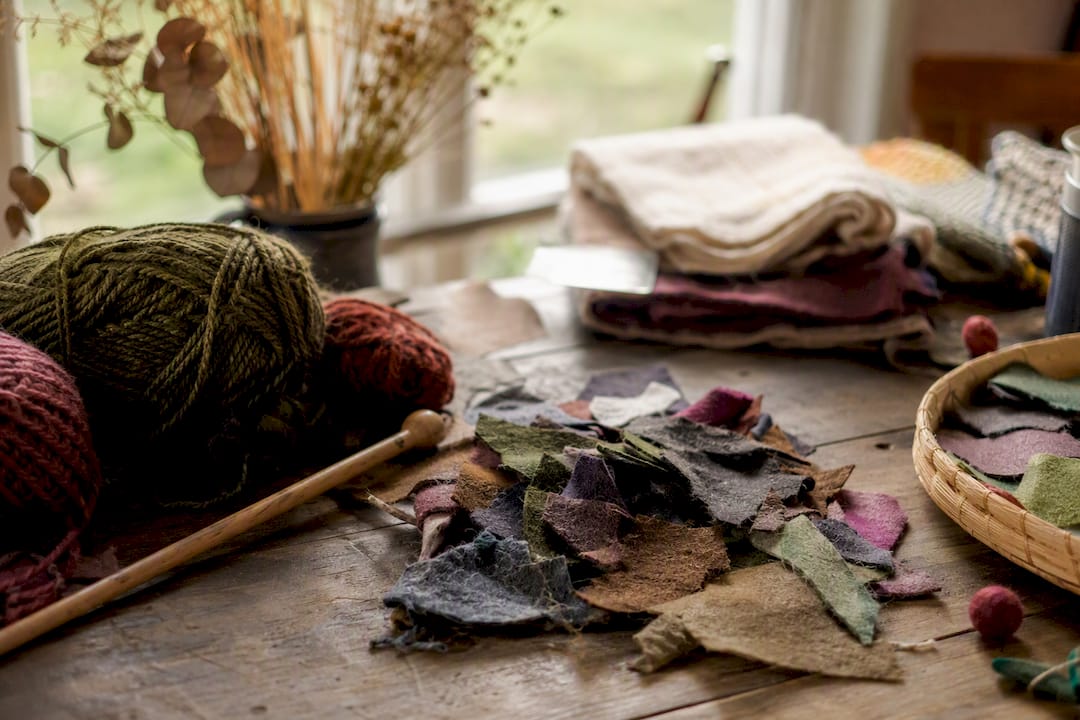
- Textured sensory board — fabric scraps, cotton wool, sandpaper glued onto card. No fine motor skill required at all, just touch and placement.
- Pressed flower cards — ready-pressed flowers (bought or prepared in advance), glue stick, blank cards. Excellent for spring and summer sessions.
- Large-bead threading or gluing — chunky wooden beads, either strung on thick elastic cord or glued onto a card outline for those who can't manage threading.
Low-to-moderate dexterity, more creative choice:
- Watercolour with chunky brushes — foam-handled brushes, thick paper, three colours maximum to avoid decision fatigue.
- Simple pom-pom animals — ready-made pom-poms, googly eyes, glue dots. Assembly only, no cutting.
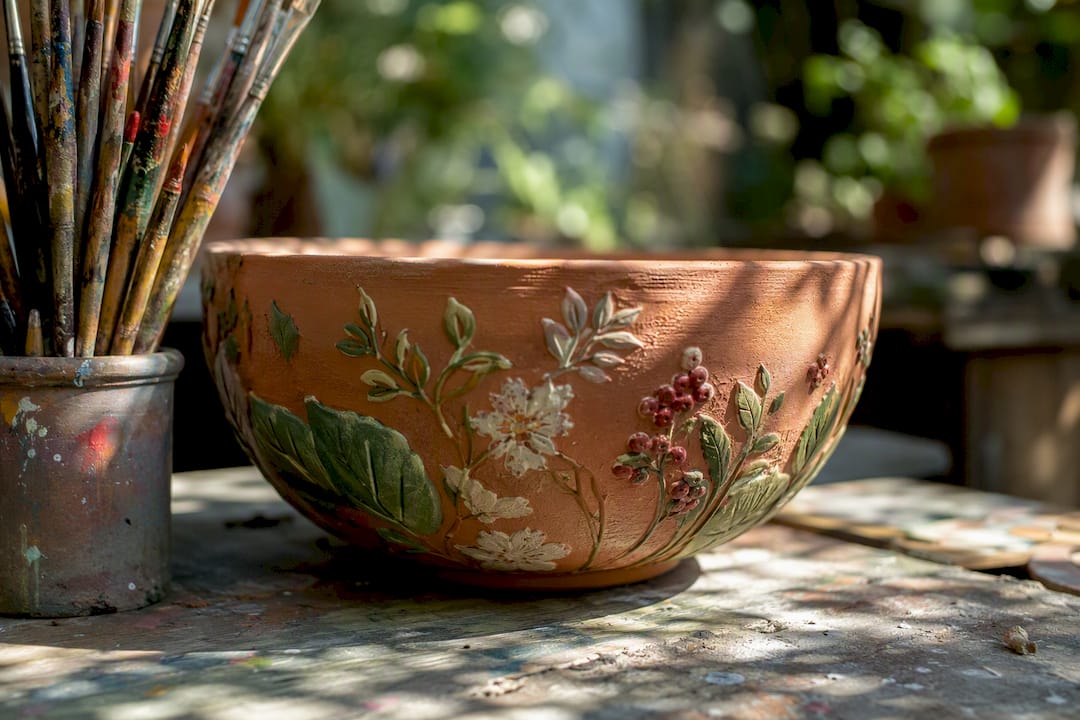
- Decorated plant pots — plain terracotta pots, acrylic paint, sponge daubers instead of brushes.
- Photo memory collage — family photocopies (never originals), glue stick, themed backing paper. Doubles as a reminiscence activity.
- Paper flower making — pre-cut petal shapes, pipe cleaner stems, minimal folding required.
Moderate dexterity, social or displayable results:
- No-sew fabric pouch — felt squares, fabric glue or fusible tape instead of a needle, decorative buttons glued on top.
- Simple papier‑mâché bowl — newspaper strips, wallpaper paste, balloon mould. Spread across two or three visits.
Rotate through these depending on mood and energy. A calming, textured task suits an anxious afternoon; a photo collage suits a day when conversation is flowing well.
How to adapt crafts for limited dexterity and cognition
Almost any craft becomes accessible with the right adjustments, and most of them cost nothing beyond a few minutes of preparation. The goal is to remove friction, not to simplify the person's ambition.
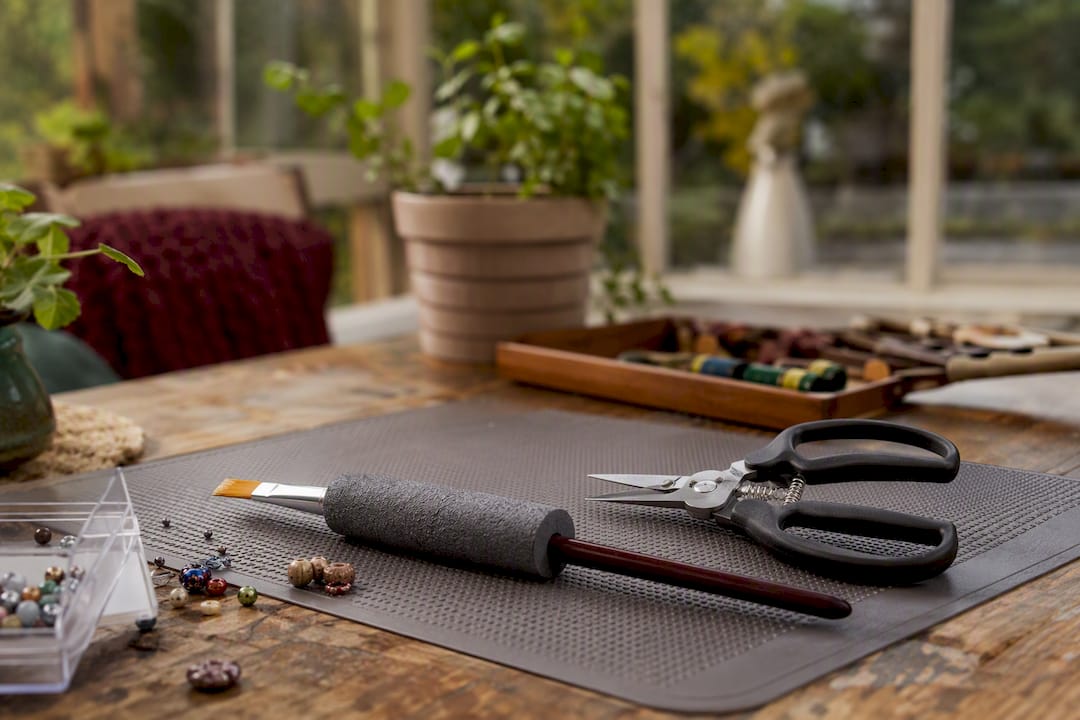
Start with tools. Foam pipe insulation slipped over a paintbrush or pen instantly thickens the grip. Spring-loaded scissors do the squeezing for you, which helps anyone with arthritis or reduced hand strength. Non-slip mats or a damp cloth under the card stop it sliding when pressing on beads or seeds.
Break projects into micro-steps rather than presenting the whole task at once. Drying and setting stages are useful, not a nuisance. A study on process-led craft facilitation found that splitting projects across visits, using natural pause points like paint drying, keeps engagement higher and anxiety lower than trying to finish everything in one go.
Cueing matters as much as tools. Give one instruction at a time, show a finished example rather than describing it, and offer two choices instead of an open-ended one ("blue or red?" beats "which colour would you like?").
Safety needs the same attention as creativity:
- Swap small beads or loose sequins for large ones if there's any risk of putting items in the mouth.
- Check for allergies before using certain glues, paints or natural materials like nuts and seeds.
- Supervise anything hot (glue guns) or anything with a genuine cutting edge.
Pro Tip: Keep a small “ready box” of pre-cut shapes, pre-measured glue dots and foam-handled tools by the door. It turns a ten-minute setup into a two-minute one, which matters when attention spans are short.
Materials, tools and workspace setup for senior-friendly crafting
A good session depends more on preparation than skill. Stock a small, versatile kit rather than buying separately for every project:
- Adhesives: glue dots (cleaner than liquid glue), a chunky glue stick, PVA in a squeezy bottle.
- Cutting alternatives: spring-loaded scissors, pre-cut card shapes, tearable paper stock.
- Grip aids: foam pipe insulation, wide-barrel pens and brushes, weighted handles for tremor.
- Base materials: card, felt, tissue paper, seeds, chunky wooden beads, terracotta pots.
Workspace setup makes or breaks a session. Good, glare-free lighting matters more than most carers expect, particularly for anyone with cataracts or macular degeneration. A table height that lets elbows rest comfortably reduces fatigue fast. A non-slip mat under the card or bowl stops frustrating slips, and a wipeable tablecloth or tray liner means clean-up takes seconds rather than becoming its own stressful task.
For sourcing, general craft shops, supermarket craft aisles and charity shops all stock the basics cheaply. Charity shops in particular are worth checking for odd buttons, fabric scraps and beads at a fraction of new prices.
Three worked projects with stepwise pacing and clear adaptations
These three step-by-step projects are designed to pause naturally, so a single visit or several short ones both work fine.
1. Seed art mosaic on card Draw or print a simple outline. Apply PVA glue section by section rather than covering the whole card at once. Press seeds, lentils or dried pasta into each glued section, one colour or type at a time. For lower dexterity, swap small seeds for large dried beans or pasta shapes, which are far easier to pick up and place. UK-based dementia care guidance recommends this kind of natural, textured project specifically for its sensory and calming qualities.
2. Papier‑mâché bowl or pot Tear newspaper into strips in one visit. Apply paste and layer strips over a balloon or bowl mould in a second visit, stopping once the first layer is on. Let it dry fully (usually 24 to 48 hours) before painting in a third visit. Keep supervision close around wallpaper paste, and use PVA-based paste instead of traditional flour paste if there's any risk of the person tasting it.
3. Large-bead jewellery or no-sew pouch For jewellery, thread chunky beads onto elastic cord, or glue them onto a card bracelet shape if threading is too fiddly. For the pouch, cut felt into simple shapes in advance, then let the person assemble and decorate using fabric glue rather than a needle. Both projects produce something wearable or usable, which adds a real sense of pride to the display.
Pro Tip: Photograph each stage before moving on. If a session gets interrupted, the photo reminds everyone exactly where to pick up next time, without needing anyone to remember verbally.
Group, social and intergenerational craft ideas
Crafting scales well into small groups, and the social side often matters more than the finished piece. A collective collage, where each person adds a section to one large sheet, works particularly well because contributions can be as small or as detailed as someone wants that day. Group mosaic tiles or a shared banner for a seasonal event give the same effect with a more visible end result.
Divide roles by ability rather than by task difficulty alone:
- One person sorts materials by colour or type.
- Another applies glue or paint to pre-marked sections.
- Someone else adds finishing touches like ribbon or labels.
Display the finished piece somewhere visible, even briefly, and treat that moment as part of the activity, not an afterthought.
Intergenerational sessions add another layer. A grandchild helping to choose colours or asking "what does this remind you of?" often opens up conversation more naturally than a direct question ever could, turning the craft into a genuine reminiscence activity.
Evidence and benefits: what research shows about crafts for older adults
The research on creative activity for older adults is more encouraging than most people expect, and reasonably specific about what actually works.
What the studies found: A pilot programme of creative arts interventions reduced depressive symptoms significantly by three months (Z = −2.60, P < 0.01). Separately, handicraft participation was linked to stronger working memory and non‑verbal reasoning, accounting for a substantial share of the variance measured (R2 = .40).
Longer-term data is more cautious. A seven-year study of arts engagement found associations with better executive function and episodic memory, but the effects were small and not straightforwardly dose-dependent. Combined activity programmes mixing arts with light physical and recreational activity have also shown improvements in daily living skills and mood in small trials.
The practical takeaway: short, regular, socially supported sessions do more for wellbeing than occasional, intensive ones.
How companions and caregivers can make crafting more rewarding
A companion's real value during a craft session is rarely the craft itself. It's the setup, the pacing and the company. Practical habits that make the biggest difference:
- Prepare materials in advance to remove decision fatigue and reduce complexity.
- Offer two simple choices rather than open-ended options.
- Join in and demonstrate the step rather than just describing it.
- Use gentle, specific prompts, and genuinely celebrate the result, however small.
- Steer conversation towards memories the materials naturally bring up, whether that's a colour, a smell, or a texture from decades ago.
None of this needs special training, just patience and attentiveness, which is exactly what shared hobby sessions are built around.
Making creativity a gentle habit
The finished object rarely matters as much as carers assume it will. What matters is the ten or fifteen minutes of focused attention, the choice of colour, the shared conversation while glue dries. Chase enjoyment over polish, and you'll get more consistent engagement than any perfectly executed project delivers.
Short, regular sessions beat rare, ambitious ones almost every time. A ten-minute seed mosaic every few days builds more genuine routine than a single elaborate afternoon project once a month, and it's far less likely to end in frustration for either of you.
Adapt freely. If an idea in this list doesn't land, change the material, not the person's willingness to try. That flexibility is the actual skill here, more than any craft technique itself.
— Ayomide
How a companion visit can support craft time at home
Fromlovewithcare is the practical alternative to leaving craft time to chance between family visits. A DBS-checked companion can turn up, set out the materials, hand over each step at the right pace, and keep the conversation going while glue dries or paint sets, all without the pressure of trying to fit it around a busy family schedule.
Companions don't provide medical or personal care, but they're well placed to support the parts of a craft session that make it enjoyable rather than stressful: setup, one-step prompting, gentle encouragement and genuine company throughout. Many families build this into a wider pattern of regular visits, alongside conversation, shared tea time or help getting to appointments, so crafting becomes one thread in a much bigger picture of contact. You can see exactly how visits are structured, including the DBS checks and companion roles, on the how our companionship works page, or go straight to our services to arrange a visit built around the activities your relative actually enjoys.
Sources
For deeper reading, the NIHR realist review on creative arts and wellbeing in older people covers co-design principles worth applying at home. The MONOZUKURI trial offers useful evidence on session frequency, and A Good Day's dementia-friendly craft guide gives further UK-specific project ideas.
- Pilot study reporting reduction in depressive symptoms after creative arts programme
- 2023 research linking handicraft activities with working memory performance
- Participatory and receptive arts engagement in older adults: associations with cognition over a seven year period (UCL discovery)
- Combined physical, arts and recreational programme effects on elderly participants (PMC article)