
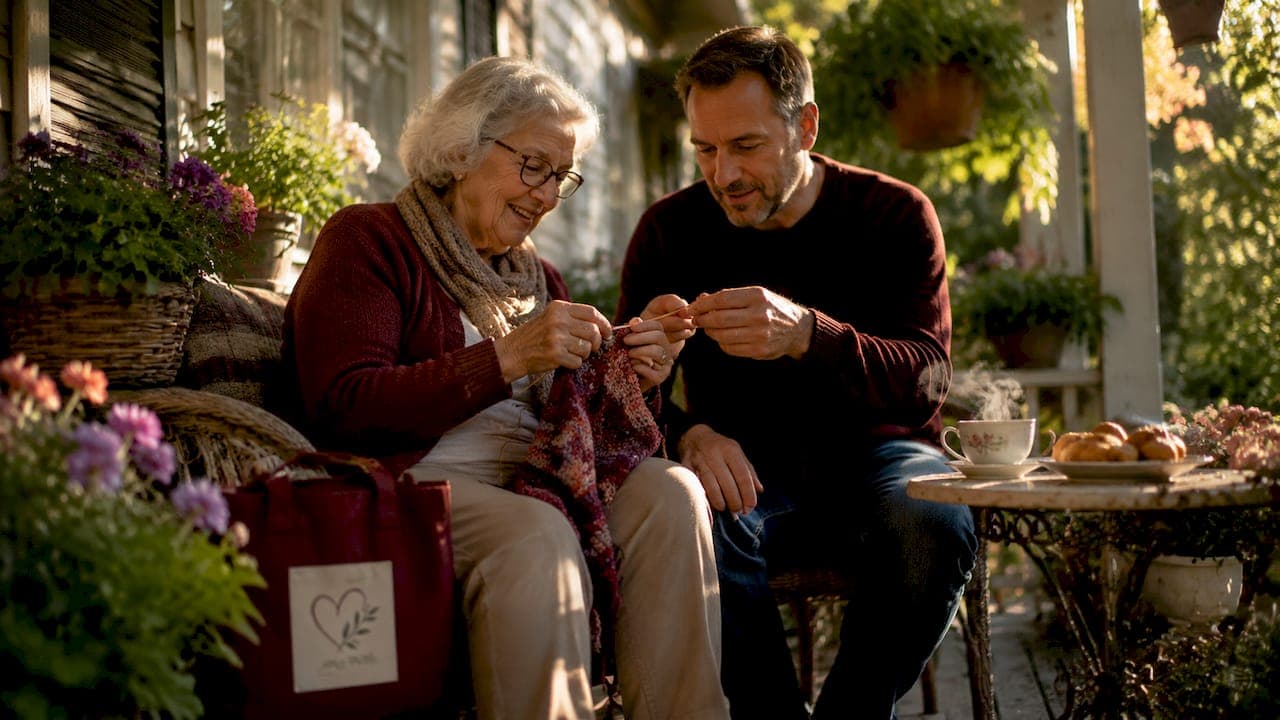
Shared hobbies with an elderly companion are activities chosen and enjoyed together that promote connection, emotional support, and cognitive engagement. Research from BMC Geriatrics and Frontiers in Psychology confirms that sustained leisure participation among people aged 80 and over is significantly higher when activities are structured, person-centred, and socially embedded. Whether it is knitting on a Tuesday afternoon, a short walk in the park, or an art class recommended by a GP, the activity itself matters far less than the shared experience around it. This guide explains how to choose the right hobbies, sustain them over time, and adapt them as needs change.
How to identify shared hobbies with your elderly companion
The most effective starting point is not a list of activities. It is a conversation. Personalised leisure support that respects individual preferences and adapts to changing abilities is the foundation of sustained elderly hobby participation. This means understanding what your companion enjoyed in their thirties and forties, what they still feel capable of, and what they are curious about now.
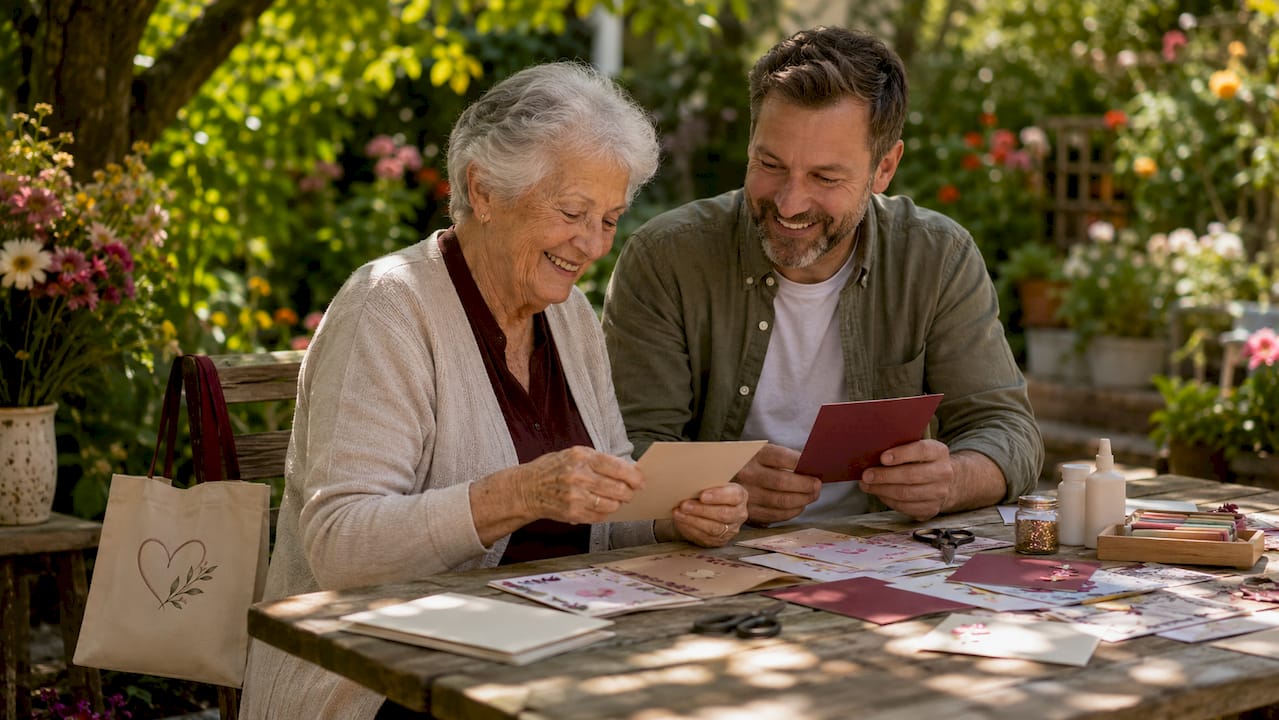
Observation is just as useful as asking direct questions. Does your companion light up when a particular song plays? Do they linger over the garden section of a magazine? These small signals reveal genuine interests that a direct question might not uncover. The University of Florida's Elder Companion programme advises approaching hobby selection dynamically, continuously learning the older person's evolving preferences rather than fixing on one activity indefinitely.
Physical and cognitive ability must also shape your choices. Some companions will enjoy a brisk walk; others will find a gentle seated craft more comfortable. The key is to match the activity to the person's current strengths, not to a generalised idea of what "seniors enjoy." Consider these categories when exploring options:
- Low physical demand: knitting, painting, reading aloud, board games, card games, jigsaw puzzles
- Moderate physical demand: gardening, short walks, birdwatching, light dancing
- Tech-enabled options: video calls with family, virtual museum tours, interactive tablet games
- Creative and expressive: music listening, singing, writing memoirs, collage-making
Pro Tip: Treat hobbies as a flexible menu, not a fixed checklist. Rotate activities across weeks to discover what genuinely holds your companion's attention, and be willing to drop anything that feels like an obligation rather than a pleasure.
What hobbies best promote social connection and emotional well-being?
Creative activities produce some of the most consistent emotional benefits. A BBC News report on a GP-recommended art wellbeing programme described how Cathy, a retired nurse aged 68, found that attending an eight-week art class improved her mood, led her to study art formally, and prompted her to volunteer. Creative wellbeing programmes work by providing a mental focus that functions like a mental anchor, reducing distress and occupying the mind positively. Painting, knitting, and crafts all share this quality.
Nature-based activities carry their own distinct benefits. A University of Helsinki study on the Friends in Nature (FiN) group intervention found that weekly nature sessions improved both cognitive test scores and nature connectedness among lonely older adults in assisted living, with participants averaging 83 years of age. This matters because it shows that even very elderly companions can benefit meaningfully from birdwatching, garden visits, or simply sitting outdoors together.
Technology is opening new doors. A 2026 controlled trial published in Frontiers in Psychology found that VR-based group dance strengthened perceived social belonging among older women significantly more than light physical activity alone. The combined effect of rhythmic movement and shared immersion produced emotional bonds that exercise alone could not replicate. For companions who are housebound or have limited mobility, interactive tablet games and virtual group activities offer a genuine alternative.
Here is a ranked overview of hobbies by their evidence base for social and emotional benefit:
- Creative arts (painting, knitting, crafts): strong evidence for mood improvement and sense of purpose
- Nature-based activities (gardening, birdwatching, outdoor walks): proven cognitive and emotional gains
- Music and movement (singing, light dancing, rhythm games): supports emotional regulation and social synchrony
- Group games (card games, board games, quiz nights): builds routine social interaction and gentle cognitive challenge
- Tech-enabled shared experiences (VR activities, virtual tours, video calls): expands access for those with mobility limitations
Social prescribing programmes across the UK, including those supported by community organisations like Social Souls, increasingly recommend group-format hobbies because the social belonging gains come from the shared experience, not just the activity itself.
How to start and maintain shared hobbies for long-term engagement
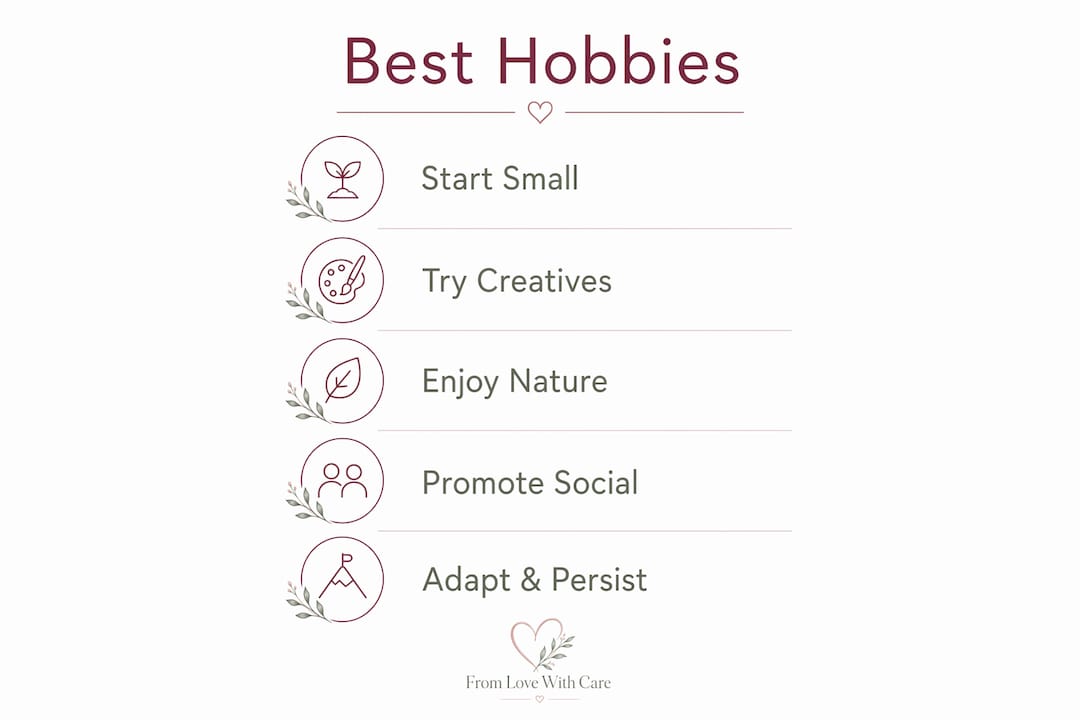
Starting well means starting small. A single short session of 20 to 30 minutes is more sustainable than an ambitious two-hour outing. Repeated weekly sessions reduce loneliness and support cognitive resilience more effectively than isolated events, which means consistency matters far more than scale.
Routine is the engine of long-term engagement. A fixed time each week, such as a Wednesday afternoon craft session or a Saturday morning walk, becomes a micro-ritual that both companions look forward to. The BMC Geriatrics randomised controlled trial found that structured person-centred meetings sustained participation in hobbies including knitting, sewing, woodworking, and painting over 24 months, with participants showing significantly higher engagement than controls (odds ratio 1.87 at 24 months). That figure reflects how powerfully structure and social support combine to keep people engaged.
Removing performance pressure is equally important. The goal is shared enjoyment, not achievement. Conversation prompts woven into the activity, such as asking about a memory connected to a song or a plant in the garden, shift the focus from output to connection. Consider these practical principles:
- Begin with an activity your companion already knows, to build confidence before introducing anything new
- Keep early sessions short and end on a positive note, leaving your companion wanting more
- Use open questions during the activity to encourage storytelling and reminiscence
- Celebrate small moments: a finished row of knitting, a bird identified, a sketch completed
- Revisit the activity menu every few months and adjust based on honest feedback
Pro Tip: Small, consistent shared activities almost always achieve better long-term adherence than a single big outing. A weekly 30-minute card game builds more trust and connection over a year than a monthly day trip.
Common challenges when sharing hobbies with elderly companions
Physical and cognitive changes are the most common barriers. Arthritis may make fine motor crafts uncomfortable; hearing loss can make group music sessions frustrating; cognitive decline may reduce the ability to follow complex rules. The solution is not to abandon the activity but to adapt it. Larger knitting needles, simplified card game rules, or a quieter one-to-one setting can preserve the essence of a hobby while removing the barrier.
Motivation dips are normal and should not be interpreted as failure. An elderly companion who seems disengaged may be experiencing fatigue, low mood, or simply a need for variety. Checking in with warmth rather than pressure, and offering two or three alternatives rather than one fixed plan, tends to restore engagement more reliably than persistence with a single activity.
| Challenge | Practical response |
|---|---|
| Physical limitations (arthritis, fatigue) | Adapt tools or switch to a seated, lower-demand version of the activity |
| Cognitive decline | Simplify rules, use familiar activities, and focus on sensory enjoyment over outcomes |
| Social anxiety or isolation fears | Start one-to-one before introducing group settings; build trust gradually |
| Motivation dips | Offer choice between two or three activities; reduce session length temporarily |
| Logistical barriers (transport, access) | Prioritise home-based or garden activities; explore home visit companions |
Community resources are underused. Social prescribing link workers, local Age UK branches, and companionship services can all provide structured support that supplements what you offer personally. Knowing when to involve additional support is a sign of good judgement, not inadequacy. The benefits of companionship services for isolated adults extend well beyond the activity itself, providing a consistent human presence that reinforces the value of every shared moment.
Key takeaways
Shared hobbies with an elderly companion work best when they are personalised, repeated consistently, and designed around connection rather than performance.
| Point | Details |
|---|---|
| Personalise hobby selection | Match activities to your companion's current interests, abilities, and evolving preferences. |
| Prioritise consistency over scale | Weekly short sessions sustain engagement and reduce loneliness more effectively than occasional big outings. |
| Remove performance pressure | Focus on shared enjoyment and conversation rather than outputs or achievements. |
| Adapt as needs change | Adjust tools, rules, or activity type when physical or cognitive changes arise, rather than stopping altogether. |
| Use community support | Companionship services and social prescribing programmes provide structured, sustained engagement that complements personal visits. |
What I have learned about shared hobbies and real connection
I have seen people approach shared hobbies with elderly companions as a kind of duty. They arrive with a plan, a craft kit, and a timetable. And then they are surprised when their companion seems distant or disinterested. The activity was right. The intention was right. But the listening was missing.
What actually works is arriving with curiosity rather than a programme. The most meaningful sessions I have witnessed were not the ones with the most elaborate activities. They were the ones where someone sat down, asked a genuine question, and let the answer shape what happened next. A conversation about a garden from fifty years ago became a seed-planting afternoon. A memory of a dance hall became a half-hour of listening to old records together.
The research supports this instinct. Social belonging gains from shared hobbies arise more from the group experience and synchronised emotion than from the activity itself. That is not a small finding. It means the activity is almost a pretext. What your companion is really receiving is your attention, your presence, and your genuine interest in who they are.
Patience matters more than creativity. Some companions need three or four sessions before they relax into an activity. Showing up consistently, without agenda, is the most powerful thing you can offer. View shared hobbies as relationship-building, not task completion, and the results will follow.
— Ayomide
How Fromlovewithcare supports meaningful shared hobbies
Fromlovewithcare exists precisely for moments like these. The service connects elderly individuals across the UK with thoroughly vetted companions who visit regularly, share activities, and provide the kind of consistent human presence that transforms daily life.
Whether your loved one would benefit from a weekly craft session, a gentle walk in the garden, or simply a cup of tea and a conversation, Fromlovewithcare matches companions to individual preferences and needs. Every visit is built around the person, not a generic activity list. Explore the full range of elderly companionship services to find the right level of support, or browse the service options to arrange a personalised visit. Loneliness does not have to be the default. Connection is possible, and it starts with showing up.
FAQ
What are the best hobbies for seniors to share with a companion?
Creative activities such as painting, knitting, and crafts, alongside nature-based pastimes like gardening and birdwatching, consistently show the strongest emotional and cognitive benefits. The best choice depends on your companion's individual preferences and physical abilities.
How often should I share hobbies with an elderly companion?
Weekly sessions produce better outcomes than occasional larger outings. Research shows that repeated group sessions reduce loneliness and support cognitive resilience more effectively than isolated events.
How do I adapt hobbies if my elderly companion's abilities change?
Adjust the tools or rules rather than abandoning the activity. Larger equipment, simplified instructions, or a quieter one-to-one setting can preserve the enjoyment of a hobby while removing physical or cognitive barriers.
Can technology-based activities genuinely help elderly companions feel less lonely?
Yes. A 2026 Frontiers in Psychology trial found that VR-based group dance produced greater improvements in social belonging than light physical activity alone, making tech-enabled activities a credible option for companions with limited mobility.
How do I find professional support for shared activities with an elderly companion?
Companionship services such as those offered by Fromlovewithcare provide vetted companions who visit regularly and tailor activities to individual needs. You can also explore loneliness support services and social prescribing programmes through your GP or local council.