
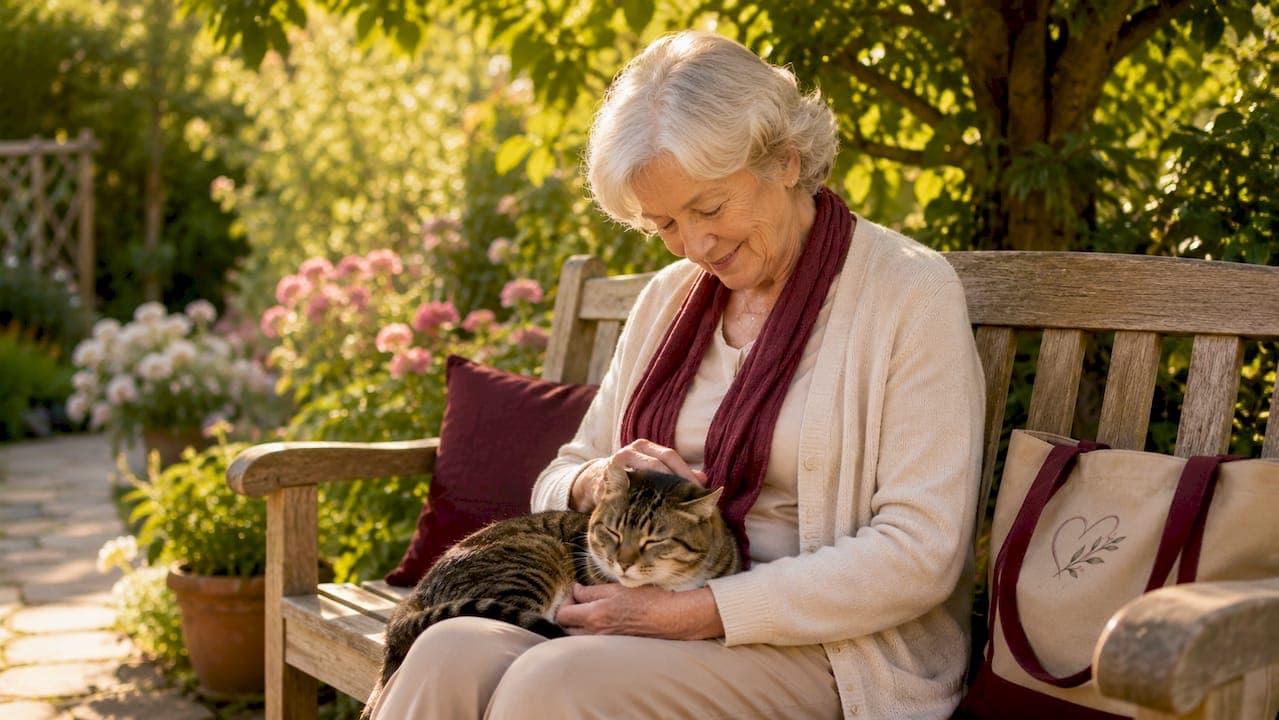
Introducing a new companion to an elderly person is one of the most meaningful steps a family or caregiver can take to reduce loneliness and improve daily wellbeing. Companionship for seniors covers a broad range of options, from low-maintenance pets and AI companion robots to vetted human carers who visit regularly. Each option carries distinct benefits, costs, and care demands. The right choice depends on the elder's health, personality, and living situation. Done thoughtfully, the introduction of a companion can restore purpose, routine, and genuine joy to a senior's life.
What to assess before introducing a new companion to an elderly person
A thorough assessment before any introduction prevents mismatches that cause distress for both the elder and the companion. Start with the senior's physical and cognitive ability. Can they safely handle a pet's lead, remember feeding times, or manage a device interface? These questions determine which companion type is realistic, not aspirational.
Consider the following before making any decision:
- Physical health and mobility: A senior with limited grip strength or balance issues needs a calm, small animal or a hands-free AI device, not an energetic young dog.
- Cognitive ability: Mild cognitive decline does not rule out companionship, but it does rule out complex care responsibilities. An adult cat or an AI companion robot suits this group well.
- Emotional readiness: Some elders resist change strongly. Gauge their openness through conversation, not assumption.
- Home environment: Many sheltered housing schemes and care homes have strict no-pet policies. Confirm the rules before adopting any animal.
- Financial capacity: Lifetime pet costs include food, veterinary care, and boarding, and these add up quickly. Budget honestly.
- Long-term planning: A long-term needs assessment projecting 5–10 years ahead accounts for changes in mobility, cognitive ability, and finances, and supports better decisions about companion sustainability.
Involving a GP or occupational therapist at this stage adds a layer of professional reassurance. They can flag contraindications, such as allergies or fall risks, that families might overlook.
Pro Tip: Ask the elder to describe their ideal day before you suggest any companion type. Their answer reveals energy levels, social preferences, and daily rhythm far more accurately than any checklist.
How to choose the best companion for seniors: pets, AI, or human care?
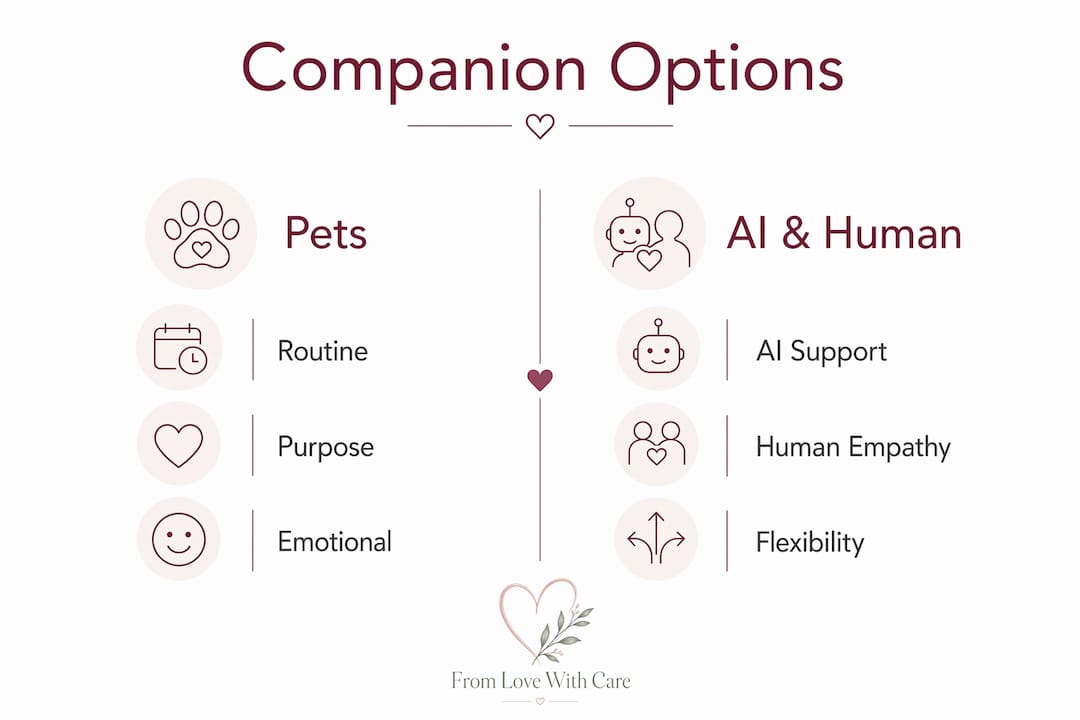
The three main companionship options for older adults are animals, AI companion devices, and human carers or volunteers. Each serves a different need and suits a different profile of elder.

Pets
Around half of older adults own a pet, and the evidence for their benefit is strong. Pets provide routine and purpose, and daily care tasks encourage physical activity and social engagement. Adult cats and small, calm dog breeds suit most elders well. Aging-well coach Katherine Ambrose advises choosing by temperament and energy, not by appearance or breed reputation. A photogenic but boisterous puppy is rarely the right match.
The clearest rule for selecting an animal is to choose one manageable on the elder's worst day, not their best. Adult or senior animals have established temperaments and lower care demands than puppies or kittens. This single principle prevents the most common failure: an elder who loves the idea of a pet but cannot sustain its care within weeks.
AI companion devices
AI companion robots have moved well beyond novelty. A 2026 pilot in South Jeolla Province found that AI companion-dog robots reduced depression scores by 63% among seniors living alone. In the same project, 97% of at-risk participants recovered to normal depression levels. These figures show that well-designed AI companions deliver measurable mental health benefits, not just entertainment.
That said, AI companions should complement rather than replace human interaction. Overreliance on AI risks emotional isolation of a different kind, where the elder interacts with a device but loses motivation to connect with people.
Human companionship
Professional carers and trained volunteers offer what neither pets nor AI can: genuine human empathy, flexible conversation, and practical help. Services like Fromlovewithcare specialise in exactly this, providing vetted companions who share tea, accompany seniors on errands, and offer consistent, trustworthy presence.
| Companion type | Cost | Maintenance | Emotional benefit | Ease of care |
|---|---|---|---|---|
| Adult cat | Low to moderate | Low | High | Easy |
| Small calm dog | Moderate | Moderate | Very high | Moderate |
| AI companion device | Moderate upfront | Very low | Moderate to high | Very easy |
| Professional human carer | Ongoing fee | None for elder | Very high | None for elder |
| Volunteer visitor | Free or low cost | None for elder | High | None for elder |
Pro Tip: For elders with moderate cognitive decline, an AI companion device used alongside weekly human visits gives the best of both worlds. The device provides daily stimulation; the human visit provides emotional depth.
Step-by-step strategies for introducing a companion to an elderly loved one
A careful, staged introduction makes the difference between acceptance and rejection. Rushing this process is the most common mistake families make.
- Start with a trial period. Arrange a short visit or a brief loan of an AI device before any permanent commitment. A week-long trial reveals compatibility issues that no amount of planning can predict.
- Use familiar activities as the setting. Shared tasks like watching television or having a snack together create a relaxed context for a first meeting. Avoid formal introductions that feel staged or pressured.
- Involve the elder in every decision. Frame the companion as their choice, not a solution imposed by the family. Ask which animal they prefer, which carer they felt comfortable with, or which AI device they found easiest to use.
- Communicate openly about the companion's role. Be honest that the companion is there for company and support, not surveillance. Transparency builds trust from the start.
- Increase time gradually. Move from one short visit per week to two, then to daily interaction if appropriate. Sudden changes in routine unsettle most elders, particularly those with cognitive difficulties.
- Monitor emotional and physical reactions. Watch for signs of stress, withdrawal, or physical strain. A senior who seems quieter or more anxious after introductions may need a slower pace or a different companion type.
- Address resistance gently. Acknowledge the elder's feelings without dismissing them. Phrases like "We can always try something different" reduce defensiveness and keep the door open.
- Create a written backup plan. Identify who will care for a pet or maintain contact with an AI device if the primary caregiver is unavailable. Backup care planning prevents abandonment and reduces stress for everyone involved.
The role of a companion in elder care extends beyond simple company. A well-matched companion provides structure, stimulation, and a reason to engage with the day. These benefits compound over time when the introduction is handled with patience.
Common challenges when introducing companions to seniors
Resistance is the most predictable challenge. Many elders have lived independently for decades and view a companion as an admission of vulnerability. The most effective response is to reframe the companion as an addition to their life, not a replacement for their independence.
"The goal is never to manage an elder's loneliness for them. It is to give them the conditions in which they choose connection for themselves."
Health declines can also disrupt a companionship arrangement that was working well. A senior who managed a cat's feeding routine confidently may struggle after a hospital stay. Regular reassessment prevents these moments from becoming crises.
Behavioural issues with pets are another common difficulty. A dog that barks excessively or a cat that scratches furniture creates stress rather than comfort. This is why choosing an animal with a calm, established temperament matters so much from the outset.
Pro Tip: If an elder resists a companion strongly, do not push. Step back for four to six weeks, then reintroduce the idea through a different angle. A friend's pet visiting for an afternoon often softens resistance more effectively than a direct conversation.
When companionship alone does not resolve deep loneliness, professional support is the right next step. Fromlovewithcare offers loneliness support services specifically designed for seniors who need consistent, compassionate human contact alongside any other companion arrangement.
How to maintain companionship for elderly loved ones long term
Sustaining a positive companionship experience requires regular attention, not a one-time setup. The following practices keep the arrangement working well as the elder's needs evolve:
- Reassess compatibility every three to six months. What suited the elder at the start may not suit them a year later. Health changes, seasonal mood shifts, and growing familiarity all affect the dynamic.
- Keep activities varied. Engaging activities prevent the companionship from feeling routine or obligatory. Introduce new games, outings, or shared interests gradually.
- Involve the wider family. Regular family communication about how the companionship is going prevents misunderstandings and keeps everyone aligned on the elder's wellbeing.
- Plan for companion succession. If a pet dies or a carer moves on, have a plan ready. Unplanned loss of a companion can cause significant grief and setback for a senior.
- Use monitoring tools thoughtfully. Simple check-in calls or wellbeing apps can supplement human visits without replacing them. Technology supports care; it does not deliver it.
- Connect to community. Social activities for elderly people, such as local clubs, faith groups, or day centres, extend the benefits of one-to-one companionship into a broader social network.
Regular companionship works best when it is woven into the elder's existing routine rather than added on top of it. Consistency is what builds trust, and trust is what makes companionship genuinely beneficial.
Key takeaways
Introducing a new companion to an elderly person works best when the choice is matched to the elder's real capacity, introduced gradually, and supported with a long-term plan.
| Point | Details |
|---|---|
| Assess before committing | Evaluate health, cognition, finances, and housing rules before choosing any companion type. |
| Match temperament, not appearance | Choose animals or companions based on energy level and personality, not looks or breed. |
| Introduce gradually | Use trial periods, familiar settings, and the elder's own choices to build acceptance. |
| Plan for the long term | Account for health changes and financial shifts over 5–10 years to sustain companionship. |
| Combine companion types | AI devices and human visits work well together; neither replaces the other. |
What I have learnt about introducing companions to elderly loved ones
Patience is the skill no one talks about enough
I have seen families do everything right on paper and still struggle because they moved too fast. The elder felt managed rather than supported, and the companion arrangement collapsed within a month. The families who succeed are the ones who treat the introduction as a relationship, not a project.
The most important thing I have learnt is that the elder's pace is the only pace that matters. Some seniors warm to a new companion within days. Others need months of gentle, repeated exposure before they genuinely welcome the presence. Neither timeline is wrong.
I have also seen how much difference the right framing makes. When a family presents a companion as something the elder is gaining, not something they need because they are struggling, the reception is almost always warmer. Dignity is non-negotiable in this process.
My honest advice: do not wait for a crisis to act. The best time to introduce a companion is before loneliness becomes entrenched. A senior who has gone weeks without meaningful conversation is harder to reach than one who is simply spending more time alone than they would like. Start early, go slowly, and stay curious about what the elder actually wants.
— Ayomide
How Fromlovewithcare supports families through this process
Fromlovewithcare was built for exactly the situation this article describes: a family who cares deeply but needs trusted, professional support to make companionship work for their elderly loved one.

Every companion at Fromlovewithcare is thoroughly vetted and trained to build genuine connection, whether that means sharing a cup of tea, accompanying someone to the shops, or simply being a consistent, warm presence each week. The service is designed around the elder's needs, not a fixed schedule. Families report real improvements in their loved ones' mood, confidence, and daily engagement. If you are ready to take the next step, explore the companionship services Fromlovewithcare offers, or find out more about how the service works before making any commitment.
FAQ
What is the best companion for an elderly person living alone?
The best companion depends on the elder's health, mobility, and preferences. Adult cats, small calm dogs, AI companion devices, and vetted human carers each suit different needs and circumstances.
How do I introduce a pet to an elderly parent who is hesitant?
Start with a trial visit rather than a permanent adoption. Use familiar, relaxed settings and involve the elder in choosing the animal to build their sense of ownership and comfort.
Are AI companion robots genuinely effective for seniors?
A 2026 pilot study found that AI companion-dog robots reduced depression scores by 63% among seniors living alone. They work best when used alongside regular human contact, not as a replacement for it.
What should I do if my elderly loved one refuses a companion?
Respect the refusal and step back for several weeks. Reintroduce the idea through a different angle, such as a friend's pet visiting informally, and frame the companion as their choice rather than a family decision.
How often should companionship arrangements be reviewed?
Reassess every three to six months, or sooner if the elder's health changes significantly. Regular reviews keep the arrangement matched to the elder's current needs and prevent avoidable breakdowns in care.