
Companionship is a proven preventive measure against falls in older adults, reducing fall risk through consistent supervision, emotional support, and structured daily routines. Fall risk scores decrease significantly with peer companion supervision, dropping from 12.5 to 9.2 over just two weeks in clinical study conditions. That figure matters because it shows that human presence alone, without medication or equipment, produces measurable physical safety gains. The role of companionship in fall prevention extends beyond a helping hand. It addresses the physical, emotional, and cognitive factors that together determine whether an older person stays safely on their feet.
How does companionship directly reduce physical fall risks?
Companionship reduces physical fall risk through active supervision, environmental monitoring, and encouragement of safe movement. A companion present in the home watches for hazards that a senior may no longer notice: loose rugs, poor lighting in hallways, clutter near doorways, and wet floors after washing up. These environmental dangers are among the most common causes of falls, and in-home companions observe hazards and movement patterns proactively, before a fall occurs.
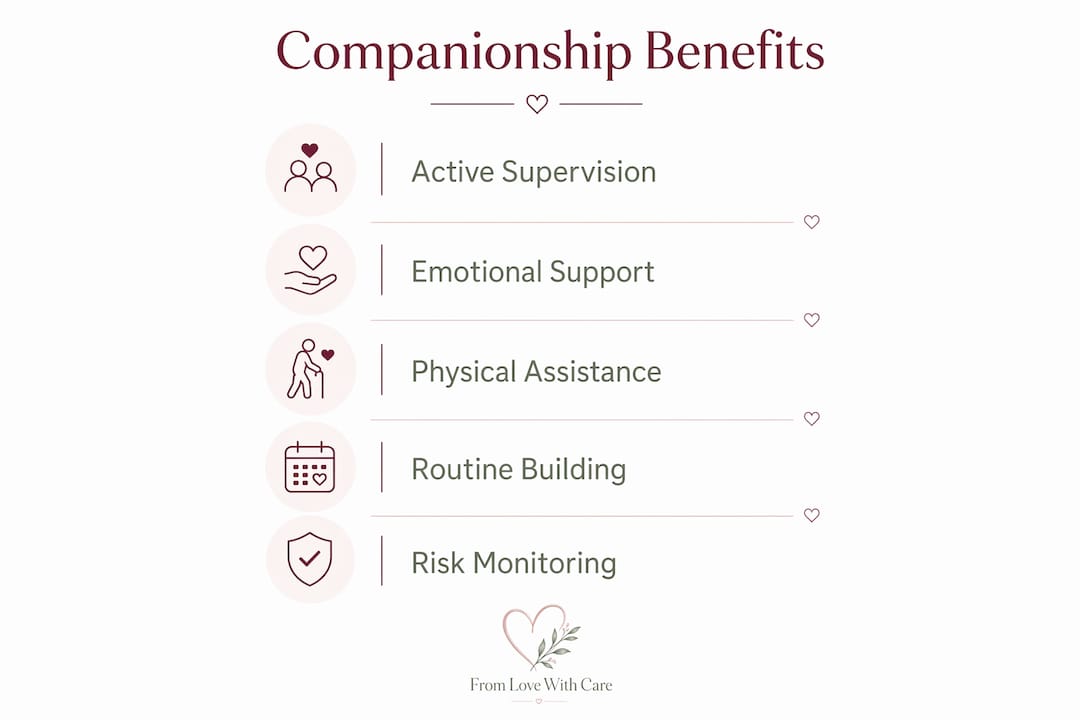
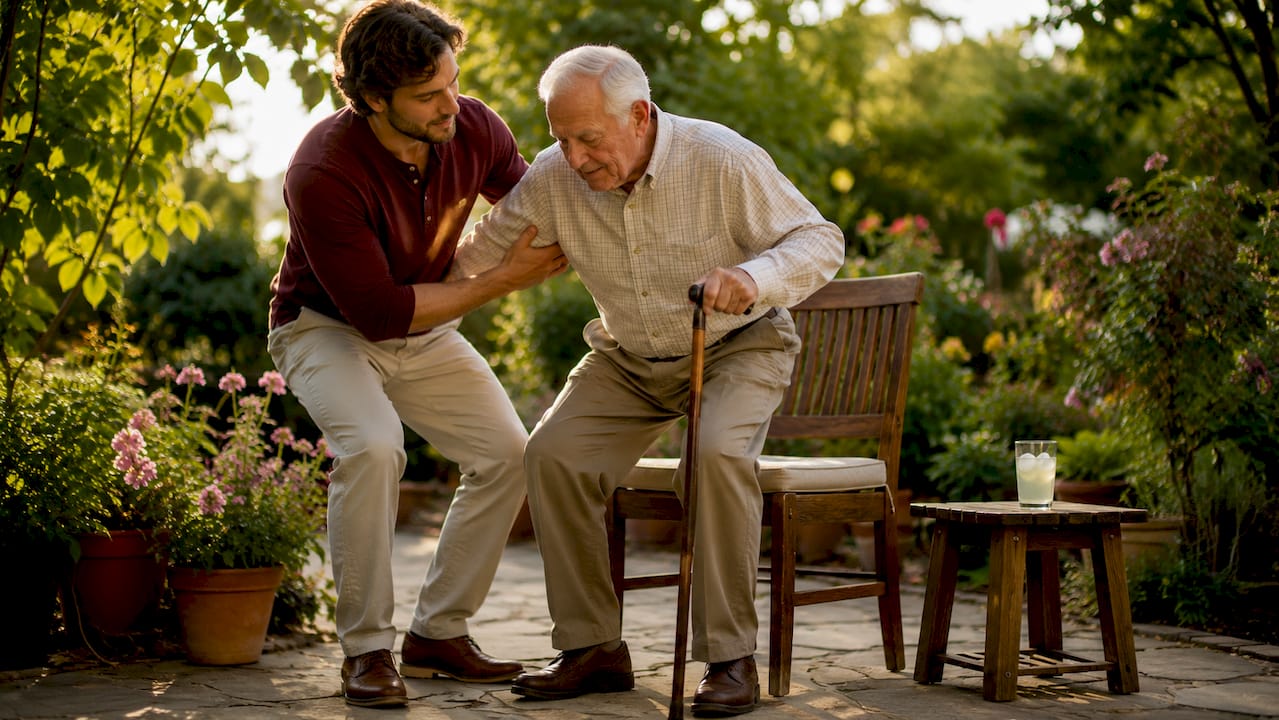
Physical assistance during transfers and walking is another direct mechanism. A companion steadies a person rising from a chair, walks alongside them on uneven ground, and prompts them to use a walking aid when they might otherwise skip it. This kind of moment-to-moment support is what separates companionship from a weekly GP visit or a monthly physiotherapy session.
Shared physical activity adds a further layer of protection. Seniors who exercise with a partner improve physical stability beyond what solo exercises achieve. Interpersonal coordination, the natural process of two people adapting their movements to each other, promotes mutual balance and reduces the likelihood of a stumble.
There is one critical nuance that families often overlook. Over-helping increases fall risk by promoting dependence and muscle decline. A companion who does everything for a senior removes the gentle physical challenge that keeps muscles active. The goal is supervised autonomy: providing just enough support to keep someone safe, while letting them do as much as they safely can themselves.
- Clear the path. Walk through the home with your companion and remove or secure trip hazards before establishing a daily routine.
- Encourage prescribed exercises. A companion can prompt and participate in balance and strength exercises recommended by a physiotherapist.
- Assist transfers, not movement. Help a senior rise from a chair or bed, but let them walk independently where safe.
- Monitor footwear. Companions can check that appropriate, well-fitting shoes are worn rather than loose slippers.
- Note changes in gait. A companion who sees the same person regularly will notice a new shuffle or hesitation that signals a health change.
Pro Tip: Ask a companion to keep a brief daily note of any near-misses, stumbles, or new complaints of dizziness. This log becomes invaluable when speaking to a GP or physiotherapist.
Why does emotional well-being matter for fall prevention?
Emotional health and physical safety are not separate concerns in older adults. They are directly linked. Anxiety, depression, and loneliness each increase fall risk by affecting concentration, reaction time, and willingness to move. Sixty per cent of severely lonely older adults see tangible medical improvements with structured companionship care, including slower cognitive decline. Slower cognitive decline means sharper attention to surroundings, better judgement about safe movement, and reduced confusion that leads to missteps.
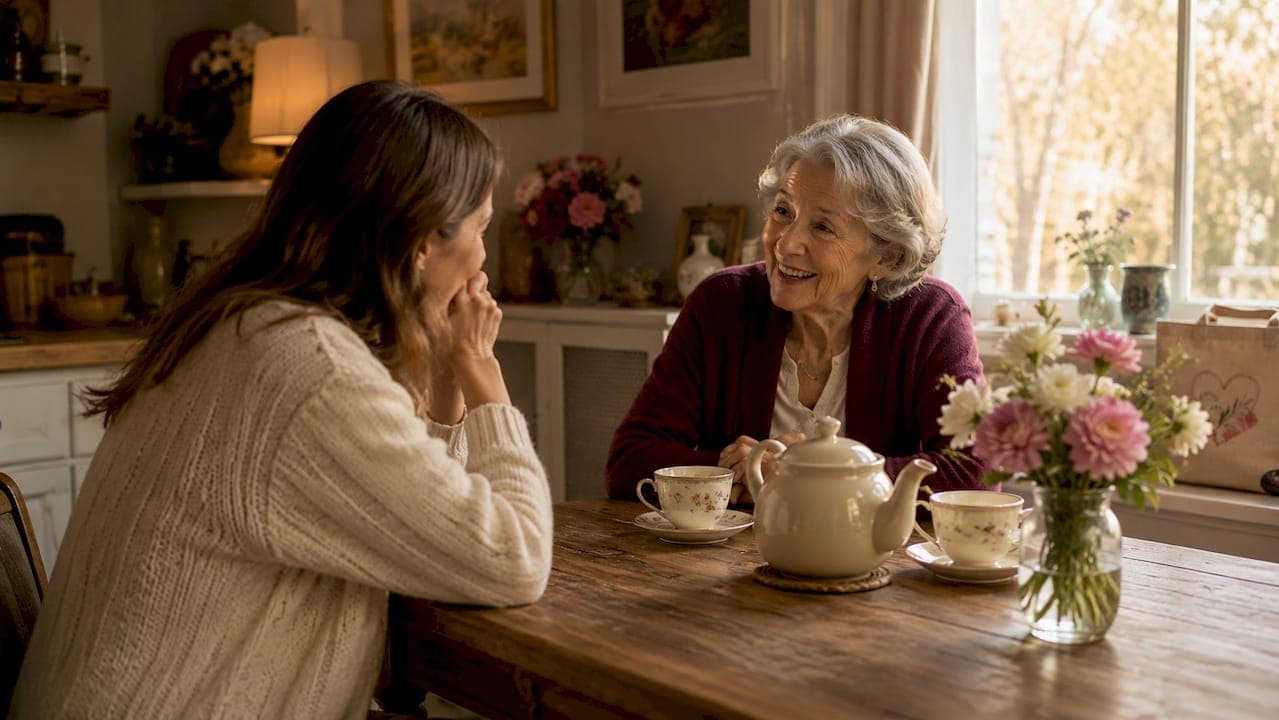
Good relationships serve as a fundamental health anchor in later life, restoring emotional and physical stability beyond mere company. This is the distinction between presence and connection. A person sitting in the same room as a carer who ignores them does not receive the same benefit as someone engaged in genuine conversation over a cup of tea.
The social support in fall prevention works through several specific pathways:
- Reduced anxiety about moving. Seniors who fear falling often restrict their movement, which weakens muscles and increases actual fall risk. A trusted companion gives the confidence to move more.
- Alleviated depression. Depression reduces motivation to eat, hydrate, and exercise. All three deficits directly raise fall risk.
- Cognitive engagement. Conversation, shared activities, and problem-solving keep the mind active. Cognitive decline is a recognised fall risk factor.
- Emotional regulation. Agitation and distress cause rushed, careless movement. A calm, familiar companion reduces agitation.
"Older adults need to feel known, remembered, and valued, not just accompanied. Social connection quality, not mere presence, is what protects emotional and physical health."
The importance of companionship for seniors is therefore not a soft, optional extra. It is a clinical factor in fall prevention that deserves the same attention as handrails and non-slip mats.
How to build companionship routines that support safety
Predictable routines are the foundation of effective companionship for fall prevention. Pre-agreed schedules create a comforting safety rhythm that transforms a companion's presence from surveillance into genuine support. When a senior knows that their companion arrives at 10am, they will share a walk at 10.30am, and lunch follows at noon, the day holds structure. Structure reduces the disoriented rushing that causes falls.
A practical safety rhythm includes hydration checks, gentle movement at regular intervals, and shared mealtimes. Dehydration is a frequently overlooked fall risk in older adults, causing dizziness and confusion. A companion who prompts a glass of water every hour addresses this without any medical intervention.
Pro Tip: Build the routine around the senior's existing preferences, not around what seems medically ideal. A person who has always had breakfast at 8am and a walk before lunch will accept a safety routine far more readily if it mirrors their lifelong habits.
Consistency in the companion relationship itself matters as much as the schedule. Consistent companionship of 90–200 hours creates meaningful social bonds linked to greater longevity and health. A senior who trusts their companion will report a new pain, admit to a near-fall, or accept help they would refuse from a stranger.
Key markers of an effective companionship routine include:
- A regular arrival time that the senior can anticipate
- Shared physical activity, even if only a short walk or gentle stretching
- Consistent hydration and meal prompts
- A brief daily check-in on mood, pain levels, and sleep quality
- Clear communication with the family about any concerns observed
Early warning signs, a new reluctance to stand, increased confusion in the afternoon, or complaints of dizziness, are most reliably caught by a companion who knows the person well. This is how professional companionship fills care gaps that medical appointments and technology cannot.
How does companionship compare with other fall prevention strategies?
Companionship is one of four main fall prevention strategies used in home care. Each addresses different risk factors. Understanding where companionship fits helps families build a complete safety plan rather than relying on any single approach.
| Strategy | Primary benefit | Key limitation | Works best when |
|---|---|---|---|
| Companionship | Supervision, emotional support, routine | Requires consistent human presence | Combined with exercise and home modifications |
| Exercise programmes | Builds strength and balance | Requires motivation and physical capacity | Guided by a physiotherapist |
| Home modifications | Removes environmental hazards | Does not address behaviour or cognition | Used alongside supervision |
| Technology (alarms, sensors) | Detects falls after they occur | Cannot prevent falls or provide emotional support | Used as a safety net, not a primary strategy |
Companionship fills the gaps that the other three strategies leave open. Exercise programmes require a senior to be motivated and physically capable of participation. Home modifications address the environment but not the person's behaviour or mental state. Technology detects a fall after it has happened. Companionship is the only strategy that operates continuously, adapts in real time, and addresses emotional as well as physical risk.
The most effective approach combines all four. A senior with a trusted companion, a physiotherapy-guided exercise plan, a modified home environment, and a fall detection device has the strongest possible protection. Companionship is the connective tissue of that plan. It is the element that supports elderly wellbeing across every dimension of daily life, not just during a scheduled session.
Key takeaways
Companionship reduces fall risk through physical supervision, emotional support, and consistent routine, making it the most continuous and adaptable element in any fall prevention plan.
| Point | Details |
|---|---|
| Physical supervision works | Companion presence reduces fall risk scores measurably, from 12.5 to 9.2 in peer-supervised settings. |
| Avoid over-helping | Supervised autonomy preserves muscle strength; doing too much for a senior increases dependence and fall risk. |
| Emotional health is physical safety | Loneliness, anxiety, and depression each raise fall risk; structured companionship addresses all three. |
| Routine creates safety | Pre-agreed daily schedules with hydration, movement, and meal prompts reduce disoriented rushing. |
| Companionship complements other strategies | It fills the gaps left by exercise, home modifications, and technology by operating continuously. |
What I have seen that most families miss
By Ayomide
Families often focus on grab rails and alarm pendants when a loved one starts to fall. Those things matter. But the most consistent pattern I have observed is that the falls which cause the most harm happen when a person is alone, rushing, and anxious. No piece of equipment addresses that combination. A trusted companion does.
The first few weeks of a new companionship arrangement can feel awkward for the senior. They may resist help, feel their independence is being questioned, or simply be unused to having someone present. This is normal. The anxiety fades quickly when the companion is consistent, respectful, and genuinely interested in the person rather than just their safety checklist.
The balance between independence and support is the hardest thing to get right. I have seen well-meaning companions take over tasks a senior could manage alone, and I have seen the muscle loss and low mood that follows. The best companions do less than they could, and more than they appear to. They are present without being intrusive. That quality cannot be replicated by technology or a modified bathroom.
Prioritising companionship as preventive care, before a fall happens, is the decision that makes the greatest difference. Waiting until after a serious fall means starting from a position of fear, reduced mobility, and lost confidence. Starting early means building trust, strength, and routine while a person still has all three.
— Ayomide
Fromlovewithcare: companionship designed around your loved one's safety
Fromlovewithcare provides companionship services built specifically for older adults in the UK who need consistent, trustworthy support at home. Every companion is thoroughly vetted and matched to the individual, not assigned at random. Visits are shaped around the senior's existing routine, preferences, and home environment, so the safety rhythm feels natural from the first session.
Whether your loved one needs a companion for a morning walk, shared mealtimes, or gentle encouragement to keep moving, Fromlovewithcare can help. The service focuses entirely on human connection and safety, not medical tasks. Families consistently report that their loved ones become more confident, more active, and more settled within weeks of starting. To find out how a companion can support fall prevention and daily wellbeing, visit our companionship services or explore the full range of care options available.
FAQ
Does companionship actually prevent falls?
Yes. Clinical evidence shows that peer companion supervision reduces fall risk scores significantly over a short period. Companionship addresses physical, environmental, and emotional fall risk factors simultaneously.
How many hours of companionship are needed to make a difference?
Meaningful social bonds and health benefits develop with consistent companionship of 90–200 hours. Regular, frequent visits are more effective than occasional long ones.
Can companionship replace physiotherapy or home modifications?
No. Companionship works best as part of a combined plan that includes exercise, home modifications, and where appropriate, fall detection technology. It fills the gaps those strategies leave by providing continuous, adaptive human support.
What should a companion do if they notice a fall risk?
A companion should note any new stumbles, gait changes, dizziness complaints, or environmental hazards and communicate these promptly to the family or the senior's GP. Early reporting prevents minor concerns from becoming serious incidents.
Is companionship suitable for seniors with dementia?
Yes. Consistent companionship is particularly beneficial for seniors with cognitive decline, as familiar routines and trusted relationships reduce agitation and disoriented movement, both of which raise fall risk.