
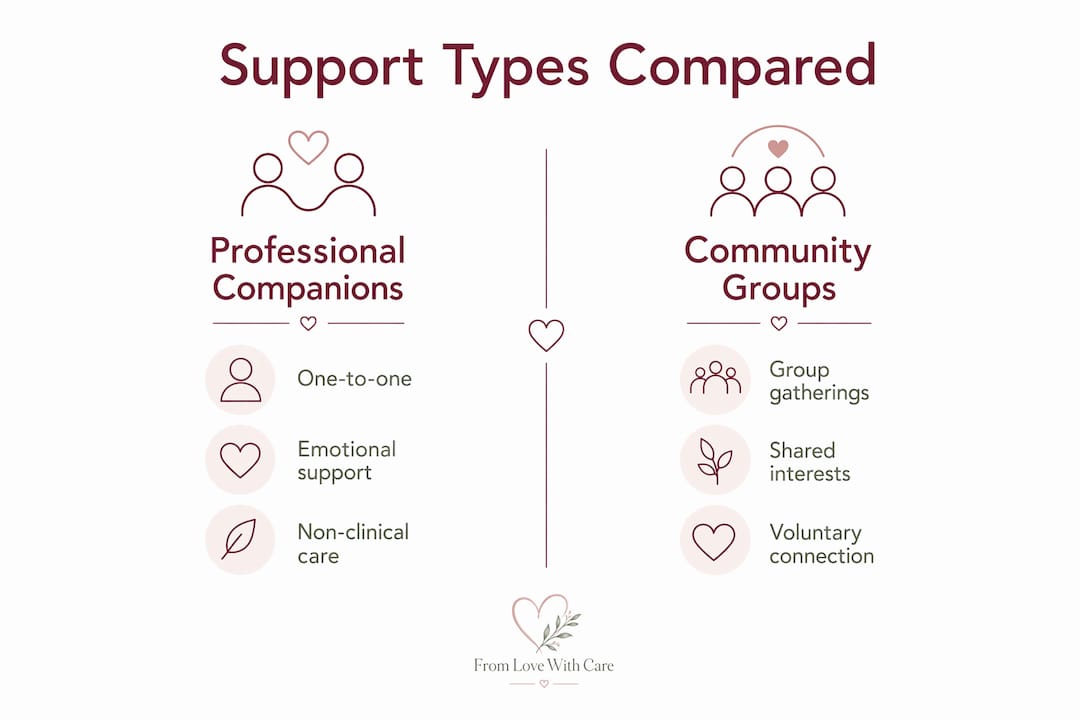
Professional companions and community groups both address loneliness and social isolation, but they do so in fundamentally different ways. Understanding the role of professional companions vs community groups helps families and individuals choose the right support, or more often, the right combination of both.
A professional companion is a vetted, trained individual who provides personalised, one-to-one emotional and social support, typically in a person's home. They offer conversation, shared activities, light household help, and a consistent, trusted presence. Community groups, by contrast, are collective gatherings, whether arts classes, religious groups, or condition-specific support circles, where people connect through shared interests and mutual experience.
The core differences come down to structure, depth, and setting:
- Professional companions offer individualised, scheduled support with accountability and quality assurance
- Community groups offer peer connection, shared identity, and broader social networks at low or no cost
- Professional companions are regulated through vetting and service standards; community groups vary widely in governance
- Community groups are often accessed freely or via social prescribing; professional companionship involves a service fee
- Both can reduce isolation, but they address different dimensions of loneliness: emotional and psychological versus social and communal
Pro Tip: Combining a professional companion with a community group often produces better outcomes than either alone. A companion can build the confidence and trust that makes joining a group feel possible.
What do professional companions actually do?
Professional companionship is non-clinical care focused entirely on human connection. A companion does not administer medication or provide personal care such as bathing or dressing. Instead, they provide personalised emotional support, light household assistance, and social engagement that keeps a person connected to the life they value.
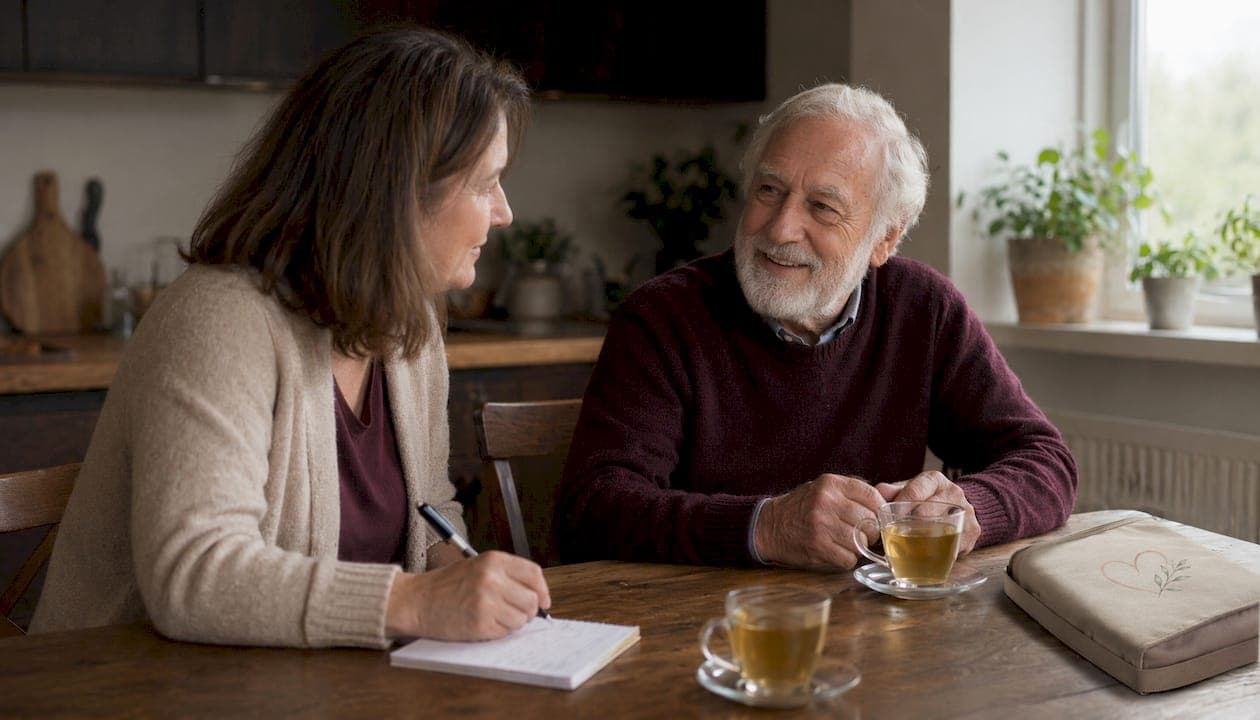
The scope of a professional companion's work is broader than many people expect. They might share a cup of tea and a conversation, accompany someone to a GP appointment, help with grocery shopping, or sit together through a favourite television programme. What matters is the quality of the relationship, not the task itself.
Services like Fromlovewithcare take vetting and professional standards seriously. Every companion is thoroughly checked before being matched with a client, and the matching process itself is deliberate, pairing people by personality and shared interests so that the relationship can grow naturally. Clients and their families report that this consistency builds genuine trust over time, and that trust is what makes the support transformative for wellbeing.
Common settings where professional companions operate include:
- Home visits, the most frequent setting, covering conversation, shared meals, and light domestic help
- Hospital or clinic accompaniment, supporting people through appointments and helping them understand what was discussed
- Respite care, giving family carers a planned break while ensuring their loved one has consistent company
- Community outings, such as walks, visits to friends, or trips to local shops
Pro Tip: When a companion accompanies someone to a healthcare appointment, a pre-consultation checklist covering the appointment's purpose and the person's preferences can reduce anxiety and help the companion support rather than inadvertently speak on the person's behalf.
How do community support groups benefit people?
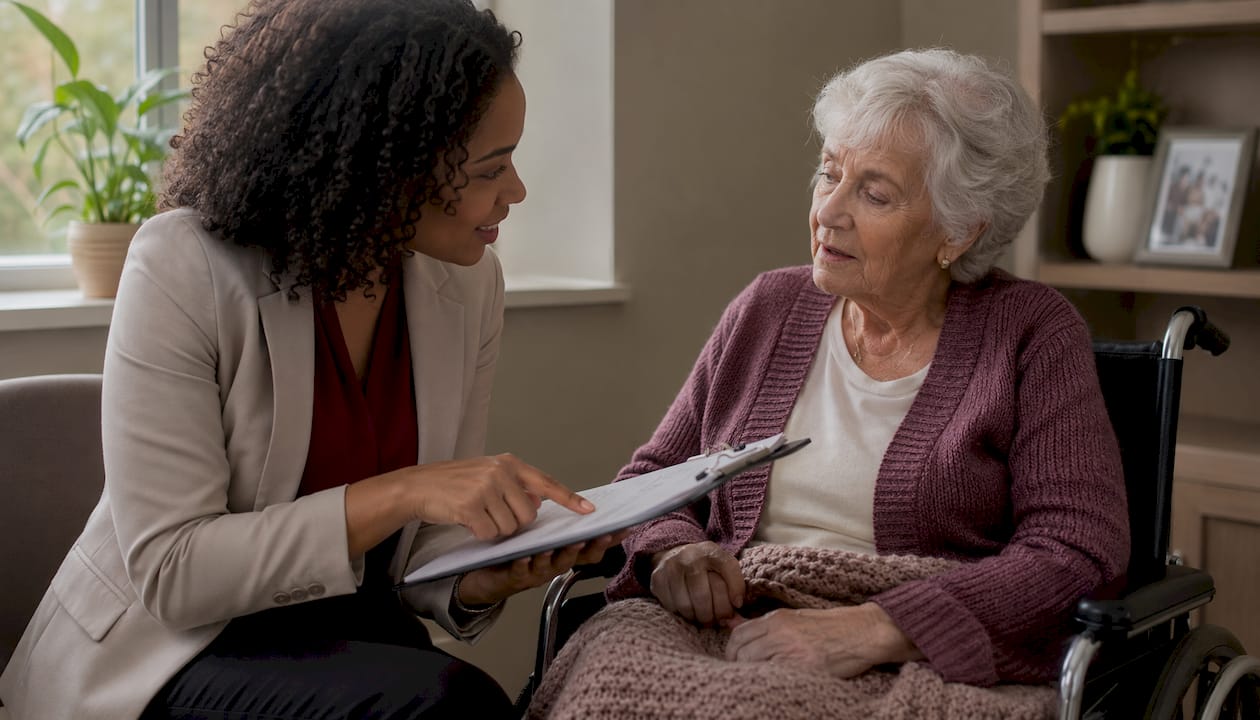
Community groups are voluntary or organised gatherings where people connect around shared interests, circumstances, or beliefs. They range from arts and music classes to church groups, social clubs, and condition-specific peer support circles. What they share is a collective energy: the sense that you belong to something larger than yourself.
The wellbeing benefits of community group membership are well documented. Research tracking older adults over a long period found that education, arts, and music classes were associated with higher life satisfaction and lower negative affect. Church and religious groups showed strong associations with experienced wellbeing. These effects held even after controlling for health and demographic factors.
Participation in community groups also carries practical advantages. Many groups are free or low cost, making them accessible to people who cannot afford paid companionship. Longitudinal studies of older adults in England show that increased engagement with community assets correlates with improved health-related quality of life and reduced costs of care over time.
Key benefits and challenges of community groups:
- Peer support from people who share similar experiences or conditions
- Sense of belonging and collective identity that one-to-one support cannot replicate
- Low or no cost, making them accessible across income levels
- Improved quality of life sustained over years with consistent participation
- Social gradient barriers: those with lower incomes or educational attainment are less likely to participate, despite groups often being free
- Transport and access challenges, particularly in rural areas, can prevent attendance
- Variable quality and governance, with no universal standard across voluntary groups
How professional companions and community groups work together
The two forms of support address different dimensions of loneliness, and experts emphasise that effective care requires both rather than treating them as alternatives. One-to-one professional companionship is most beneficial when loneliness is linked to low psychological and emotional wellbeing, particularly where complex personal history has made it difficult to build social relationships. Community groups are most effective when loneliness is primarily social, when someone wants to build networks and contribute to their community.
The practical pathway often runs in sequence. A person who has become isolated may lack the confidence to walk into a group setting. A professional companion builds that confidence through consistent, trusted visits, then actively encourages and accompanies the person to a community group. Once the person feels comfortable, the group provides the broader social network that one-to-one support cannot replicate. Research on group befriending describes this distinction clearly: one-to-one companions foster deep bonds and personalised support, while group participation promotes broader social inclusion and enjoyment.
Social prescribing pathways in the UK formalise this approach. GPs and link workers refer people to community assets as part of their care, recognising that non-medical sources of support are as important as clinical ones. Fromlovewithcare's professional companions fit naturally within these pathways, providing the bridge between isolated individuals and the wider community resources available to them.
Complementary functions at a glance:
- Professional companions address emotional and psychological loneliness through deep, trusted relationships
- Community groups address social loneliness through shared activity and collective belonging
- Companions can prepare and accompany people to groups, lowering the barrier to participation
- Groups sustain social connection beyond what scheduled companion visits can provide
- Together, they form the ecosystem of support that public health commissioners increasingly recognise as necessary
Pro Tip: Assessing whether loneliness feels primarily emotional (a sense of not being truly known) or social (a lack of people to do things with) helps identify which support to prioritise first.
Why partnership and coordination matter in adult social care
UK public health policy has moved firmly towards integrated care models that combine formal services with community assets. Asset Based Community Development, now embedded in NHS social prescribing frameworks, encourages health and care professionals to map local community resources and connect people to them as part of their overall care plan. The evidence supports this: participation in community assets is associated with improved quality of life and reduced care costs, and the benefits are sustained over time.
Coordination between professional companions and other parts of the care system is not always straightforward. Research highlights a structural "misfit" between health and social care scheduling: GP appointments often fall outside the hours when paid companions are available, which can mean a vulnerable person attends alone or misses the appointment entirely. Addressing this requires deliberate planning and communication between families, companions, and health providers.
Best practice principles for partnership working in adult social care:
- Align companion visit schedules with health appointments wherever possible
- Use pre-consultation preparation to clarify the companion's role and the person's preferences
- Involve companions in care planning conversations, not just task delivery
- Maintain continuity by pairing the same companion with the same person consistently
- Connect people to social prescribing link workers who can identify suitable community groups
- Review and adjust the balance of support as needs change over time
Fromlovewithcare builds these principles into its service model. Companions are matched carefully, visits are consistent, and the focus remains on the whole person rather than a checklist of tasks.
Key takeaways
Professional companions and community groups address loneliness most effectively when used together, with companions providing the individual trust and confidence that enables broader community participation.
| Point | Details |
|---|---|
| Different roles, same goal | Professional companions offer one-to-one emotional support; community groups provide collective belonging and social networks. |
| Community groups improve quality of life | Longitudinal studies show participation in community assets correlates with improved health-related quality of life and reduced care costs. |
| Companions build confidence for groups | Isolated individuals often need the trust built through professional companionship before they can engage with group settings. |
| Scheduling coordination matters | Misalignment between social care and health appointment schedules can prevent effective companion support and must be actively managed. |
| Partnership is UK policy | Asset Based Community Development and social prescribing frameworks formally integrate community assets into adult care planning. |
Ready to arrange compassionate companionship?
Loneliness rarely resolves on its own. Whether your loved one needs the steady presence of a trusted companion at home, or support taking the first step towards a community group, Fromlovewithcare is here to help. Every companion is thoroughly vetted, carefully matched, and focused entirely on meaningful human connection.
Explore our companionship services or find out more about companion visits for elderly parents to arrange support that truly fits.