

A companion caregiver is defined as a non-medical support worker who takes over specific daily living tasks to relieve family caregivers of routine duties. The tasks companion can take over from a caregiver span meal preparation, light housekeeping, medication reminders, errands, and social engagement. These responsibilities are not clinical, yet they consume hours of a family member's day and, when left unmanaged, accelerate caregiver burnout. Fromlovewithcare provides exactly this kind of support across the UK, pairing vetted companions with older adults who need reliable, human connection alongside practical help.
1. Meal planning and simple meal preparation
Companion caregivers plan and prepare straightforward meals that meet a senior's dietary preferences and routines. This is one of the most time-consuming daily companion tasks for family caregivers, often taking place three times a day. A companion handles shopping lists, light cooking, and sitting with the senior at mealtimes to encourage regular eating. That shared mealtime also provides social connection, which is as important as the food itself.
2. Light housekeeping and laundry
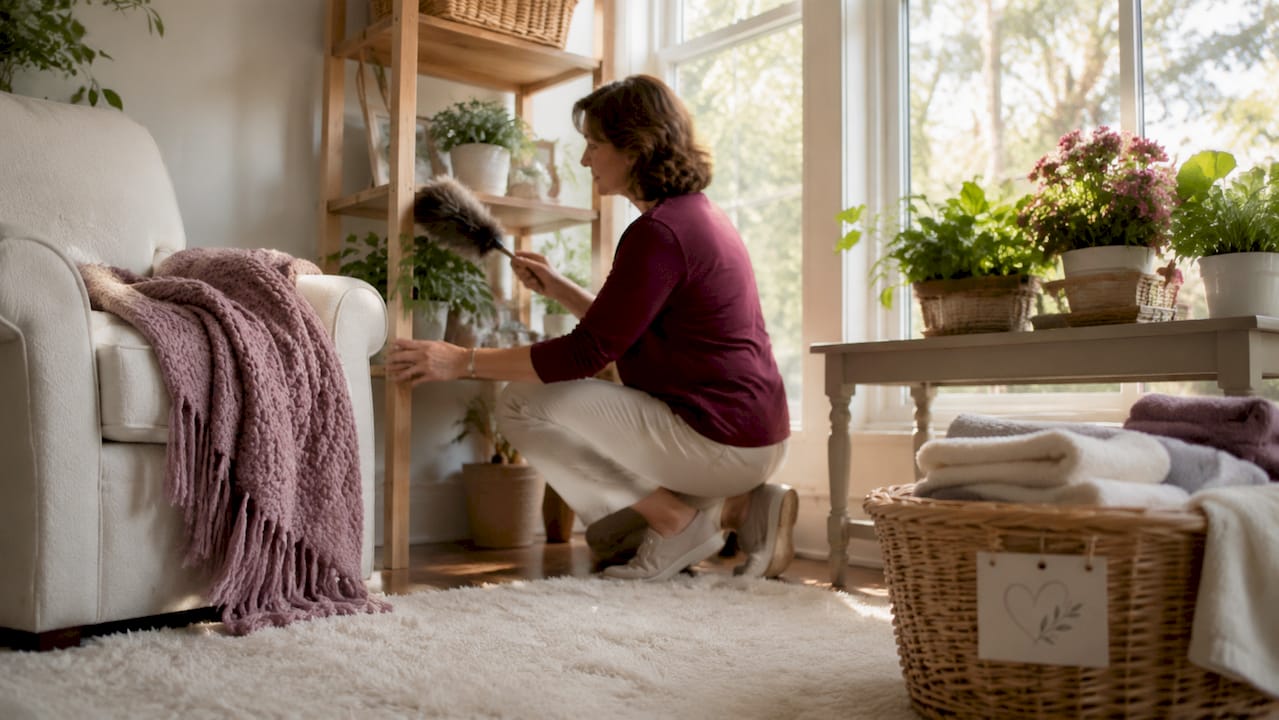
Companions take over tidying, dusting, vacuuming, and laundry so the home stays safe and comfortable. Clutter and unwashed clothing are practical hazards for older adults, and family caregivers often struggle to keep on top of these tasks alongside work and family life. A companion handles these duties without replacing the senior's sense of ownership over their home. The goal is a clean, orderly environment that supports independence rather than dependence.
3. Medication reminders
Companion caregivers provide medication reminder support by prompting seniors to take their prescribed medicines at the correct times. This is distinct from medication administration, which requires clinical training and falls outside companion care. A gentle, consistent reminder from a trusted person reduces missed doses without medicalising the relationship. Families gain peace of mind knowing someone is present at those critical moments.
Pro Tip: Keep a simple written medication schedule on the fridge so both the companion and the senior can refer to it easily. This reduces confusion and supports the senior's own memory.
4. Grocery shopping and errands
Running errands is one of the clearest tasks companion can take over from a caregiver. Companions accompany seniors to the supermarket, collect prescriptions, post letters, and handle other routine errands. This keeps the senior engaged with their local community rather than isolated at home. For families managing full-time work, having a companion handle these trips removes a significant weekly pressure.
5. Transportation and accompaniment to appointments
Companions drive or accompany seniors to GP appointments, hospital outpatient visits, hairdressers, and social events. Many older adults stop attending appointments simply because they have no reliable way to get there. A companion removes that barrier and also provides reassurance during the visit itself. Families no longer need to take time off work for every routine appointment.
6. Conversation and emotional support
Social engagement and emotional support are central companion tasks, not optional extras. Chronic loneliness carries serious health consequences, and a companion who visits regularly provides the consistent human contact that prevents isolation from deepening. Fromlovewithcare companions are selected for their warmth and ability to build genuine relationships, not just to complete a task list. A meaningful conversation over tea can shift a senior's entire day.
7. Safety supervision and general check-ins
Companions provide a watchful presence that reassures families without requiring clinical monitoring. They notice if a senior seems unwell, has had a fall, or is struggling with a task they previously managed. This informal supervision is a form of welfare check that catches problems early. Families report that this layer of oversight is one of the most valued aspects of companion care.
8. Organising mail, schedules, and daily routines
Companions help seniors manage post, appointments, and daily timetables. Unopened bills, missed appointments, and disrupted routines are early warning signs of cognitive decline or overwhelm. A companion who organises these details supports the senior's independence and flags concerns to the family. This task requires no medical training but delivers real protective value.
9. Encouraging fluids, nutrition, and healthy habits
Companion caregivers encourage healthy habits including regular meals, adequate hydration, and light movement throughout the day. Dehydration and poor nutrition are common in older adults living alone, often because no one is present to prompt them. A companion who shares a glass of water or suggests a short walk makes these habits feel natural rather than clinical. Consistent encouragement over time produces measurable improvements in wellbeing.
10. Facilitating recreational and social activities
Companions support seniors in pursuing hobbies, attending community groups, and staying socially active. Whether that means accompanying someone to a local art class, playing cards at home, or watching a favourite programme together, these activities maintain cognitive engagement and emotional health. Aging in place is far more sustainable when a senior has regular stimulation and social contact. Companions make this possible without requiring a move to residential care.
How companion care differs from personal care
Companion care and personal care share a commitment to the senior's wellbeing, but their task boundaries are distinct. Understanding the difference helps families choose the right level of support.
Companion care covers non-medical, non-physical tasks. Personal care tasks such as bathing, toileting, dressing, and wound care require trained personal care workers and fall outside a companion's remit. A companion is not a substitute for a personal care worker when hands-on physical assistance is needed.
| Task | Companion care | Personal care |
|---|---|---|
| Meal preparation | Yes | Yes |
| Medication reminders | Yes | Yes |
| Light housekeeping | Yes | Yes |
| Bathing and washing | No | Yes |
| Toileting assistance | No | Yes |
| Wound care | No | Yes |
| Conversation and social support | Yes | Sometimes |
| Errands and transportation | Yes | Sometimes |
Many families begin with companion care and add personal care as needs evolve. The two services complement each other well. Fromlovewithcare focuses on the companion side, ensuring that the emotional and practical daily tasks are covered with consistency and warmth.
The role of assistive technology in companion caregiving
Assistive technology for caregiving now covers a range of tools that handle repetitive, low-risk tasks automatically. These include medication reminder apps, hydration prompt devices, appointment alert systems, and digital check-in platforms. A randomised controlled trial found that AI-enhanced support programmes reduced caregiver depression with an effect size of d=0.37 and reduced caregiver burden with an effect size of d=0.34 after just one month. That is a meaningful reduction in a short timeframe.
Digital avatars and AI tools work best for automating repetitive, low-risk tasks. They are not a replacement for human companionship. The warmth, adaptability, and genuine connection that a human companion provides cannot be replicated by an app. The most effective approach combines technology for routine prompts with human companions for social engagement and nuanced support.
Pro Tip: Use a medication reminder app to handle timed alerts, then let the companion focus on conversation, activities, and the tasks that require human judgement and warmth.
Tasks best suited to technology:
- Timed medication and hydration reminders
- Appointment alerts sent to family members
- Daily check-in prompts via a tablet or smart speaker
- Emergency alert systems triggered by falls or inactivity
Tasks that require a human companion:
- Meaningful conversation and emotional reassurance
- Reading social cues and noticing changes in mood or health
- Accompanying seniors to appointments or outings
- Adapting routines to the senior's preferences on a given day
When companion caregiving is most beneficial
Companion care delivers the greatest value in specific situations that families often recognise but struggle to name. Elder companion care reduces isolation and improves quality of life by providing social engagement alongside practical task support.
Families benefit most from companion caregiving when:
- A senior is mostly independent but needs reminders and gentle supervision to stay safe
- Family caregivers are managing work, children, and caregiving simultaneously and approaching burnout
- A senior shows early signs of isolation, such as skipping meals, avoiding phone calls, or losing interest in hobbies
- The senior wants to remain at home but struggles with the practical tasks that make that possible
- A family caregiver needs regular respite without worrying that their loved one is alone
Companion care supports aging in place by creating reliable rhythms, shared mealtimes, and daily routines that help seniors feel valued and connected. Families who arrange companion visits consistently report lower stress and greater confidence in their loved one's safety. That peace of mind is not a luxury. It is a practical outcome of having the right support in place.
Key takeaways
Companion caregivers take over specific non-medical daily tasks that collectively consume the most time and energy from family caregivers, making consistent companion support one of the most effective ways to prevent burnout.
| Point | Details |
|---|---|
| Core companion tasks | Meal prep, housekeeping, errands, reminders, and social engagement are the primary duties. |
| Clear task boundaries | Companions do not provide bathing, toileting, or wound care; personal care workers cover those. |
| Technology complements humans | AI tools handle timed reminders well, but human companions are needed for emotional support and judgement. |
| Best-fit situations | Companion care suits seniors who are mostly independent but need supervision, routine, and social contact. |
| Family benefit | Regular companion visits reduce caregiver burnout and provide reliable peace of mind for the whole family. |
Why I think families underestimate the power of task delegation
Ayomide's perspective
Families often come to companion care looking for someone to "keep an eye" on their loved one. What they discover is that the task delegation itself is transformative. When a companion takes over the grocery run, the medication reminder, and the Tuesday afternoon visit, the family caregiver gets something back that no one talks about enough: mental space.
Caregiver burnout does not usually arrive as a dramatic collapse. It arrives as a slow erosion of patience, sleep, and personal identity. The families I have seen benefit most from companion care are those who treat it as a genuine partnership rather than a last resort. They choose a companion whose personality fits their loved one, they communicate openly about evolving needs, and they adjust the task list as circumstances change.
The mistake I see most often is families waiting until crisis point. Companion care works best as a preventive measure, not a rescue plan. If your loved one is still mostly independent but you are already feeling stretched, that is the right moment to arrange regular companion visits. The tasks a companion takes over now protect everyone's wellbeing for the long term.
— Ayomide
How Fromlovewithcare supports families with companion tasks
Fromlovewithcare offers companion caregiving services across the UK, matching older adults with thoroughly vetted companions who provide both practical task support and genuine human connection.

Each companion takes over the daily tasks that family caregivers find most demanding, from shared mealtimes and light housekeeping to errands, appointments, and meaningful conversation. The service is built around the individual, not a fixed checklist. Families can explore the full range of companion caregiving services and find an approach that fits their loved one's needs and their own peace of mind. Arranging a companion visit for an elderly parent is a straightforward first step toward reliable, compassionate support.
FAQ
What tasks can a companion caregiver take over?
Companion caregivers take over non-medical daily tasks including meal preparation, light housekeeping, medication reminders, grocery shopping, transportation, and social conversation. They do not provide hands-on personal care such as bathing or toileting.
How do companion caregivers differ from personal care workers?
Companion caregivers focus on daily living tasks and social support, while personal care workers provide physical assistance with bathing, dressing, and toileting. Both roles support seniors but at different levels of care.
Can technology replace a human companion caregiver?
Technology handles repetitive, low-risk tasks like timed medication reminders and appointment alerts effectively. Human companions are needed for emotional support, social engagement, and tasks that require judgement and adaptability.
When should a family consider companion care?
Families should consider companion care when a senior shows early signs of isolation, struggles with daily routines, or when family caregivers are approaching burnout. Companion care works best as a preventive measure rather than a crisis response.
Does companion care support aging in place?
Companion care directly supports aging in place by providing consistent routines, social engagement, and practical task assistance that help seniors remain safely and comfortably at home.