
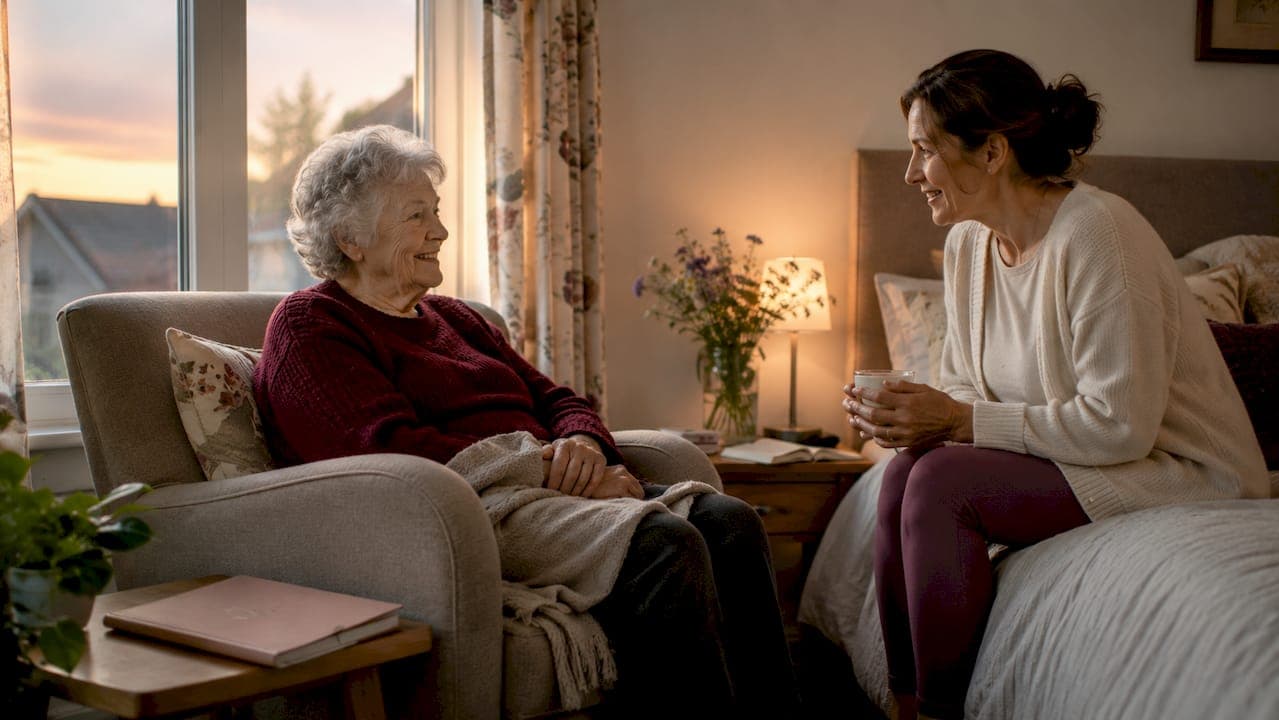
A companion visit is a non-medical, in-home support service designed to provide company, conversation, and light practical assistance to elderly people. It sits in a distinct category from personal care or clinical treatment. Understanding what a companion visit involves helps families make confident decisions about the right kind of support for their loved ones. Fromlovewithcare specialises in exactly this type of service, connecting thoroughly vetted companions with older adults across the UK who may go days without meaningful human contact.
What does a companion visit involve day to day?
A companion visit is defined as non-medical support focused on social connection, emotional wellbeing, and light assistance with everyday tasks. It does not include toileting, bathing, or any form of clinical care. That distinction matters, because it shapes everything about how a visit is structured and what families can expect.
During a typical visit, a companion might share a cup of tea and conversation, help prepare a simple meal, accompany a senior on a short errand, or simply sit quietly and read together. Companion care activities also include gentle reminders about medications or appointments, light tidying, and engagement in hobbies such as puzzles, card games, or gardening. The companion's role is to be a trusted, consistent presence rather than a task-focused carer.

The table below shows how companion visits differ from personal care services.
| Feature | Companion visit | Personal care service |
|---|---|---|
| Conversation and social engagement | Yes | Sometimes |
| Meal preparation and light errands | Yes | Sometimes |
| Bathing and personal hygiene | No | Yes |
| Medication administration | No | Yes |
| Emotional support and companionship | Primary focus | Secondary focus |
| Clinical or medical treatment | No | Possible |
Pro Tip: When explaining a companion visit to your loved one, describe it as "someone coming to spend time with you" rather than "a carer." That small shift in framing reduces resistance and sets a warmer tone from the start.
How are visits tailored to each senior's needs?
Every companion visit is shaped around the individual, not a fixed script. The first visit is a gentle, unhurried introduction. The companion learns the senior's background, favourite activities, comfort preferences such as preferred music or seating, and any routines that matter to them. This foundation makes every subsequent visit feel familiar rather than intrusive.
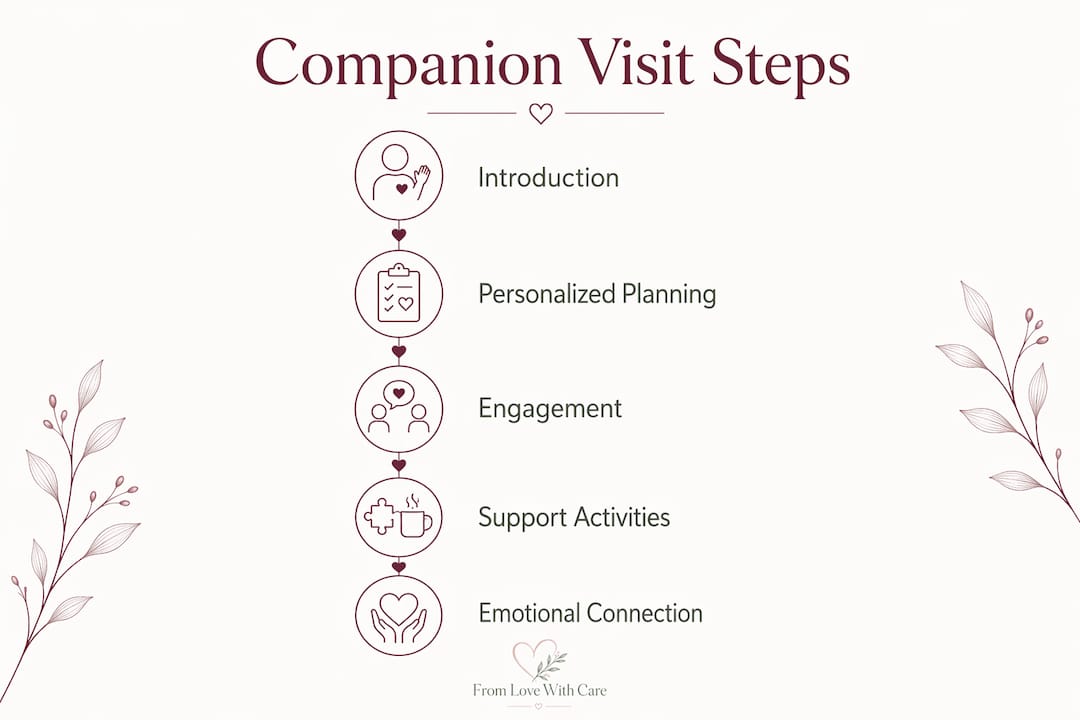
Tailoring goes beyond activities. It includes adjusting the pace and energy of each visit. A senior who is alert and talkative in the morning benefits from active engagement: conversation, a short walk, or a shared hobby. A senior experiencing afternoon fatigue or evening anxiety needs something quieter. Visit flexibility means a companion may shift from playing a board game to simply sitting nearby and reading aloud, depending on how the person feels that day.
Scheduling is another layer of personalisation that families often overlook. Targeted scheduling places visits during the parts of the day with the highest anxiety or isolation, such as early mornings or the late afternoon period sometimes called sundowning. A well-timed visit can break a cycle of distress far more effectively than a visit at a convenient but neutral time.
Communication between the family, the companion, and the agency is equally important. A clear structure with one family contact, one agency scheduler, and agreed methods for updates reduces anxiety on all sides. Families feel informed; companions feel supported; seniors receive consistent care.
- Identify the senior's most difficult time of day before booking visits
- Share favourite topics, hobbies, and comfort preferences with the companion in advance
- Agree on a simple update method, such as a brief message after each visit
- Review the arrangement after the first few visits and adjust as needed
Pro Tip: Frame visits around a favourite activity, such as a weekly walk to the local park or a regular card game, rather than around care needs. Seniors are far more likely to welcome a companion who arrives to do something enjoyable with them.
What are the benefits of companion visits for seniors and families?
Companion visits deliver benefits that reach well beyond the hour or two of the visit itself. Reducing loneliness through regular presence and conversation eases emotional stress and supports a senior's sense of dignity. Having someone to listen, hold a hand, or simply sit in silence is a form of care that clinical services rarely have time to provide.
The mental health benefits are significant. Consistent social contact supports cognitive engagement and emotional stability. Seniors who receive regular companionship visits report feeling more settled, more motivated to maintain daily routines, and less anxious about being alone. These are not minor improvements. They affect appetite, sleep, and overall physical health.
For families, the benefits are equally real. A companion visit provides genuine respite. Knowing that a trusted, vetted person is with your loved one gives you time to rest, work, or attend to other responsibilities without guilt. Fromlovewithcare structures its service so that family peace of mind is built into every visit, not treated as an afterthought.
"Having someone to listen, hold a hand or sit in silence reduces feelings of loneliness and eases emotional stress." This is the quiet power of companion care: presence itself is the intervention.
The practical benefits also accumulate over time. A companion who notices a change in mood, appetite, or behaviour can alert the family early. That kind of attentive, consistent observation is something that occasional family visits or remote check-ins simply cannot replicate.
- Reduced feelings of isolation and loneliness
- Improved emotional stability and daily routine adherence
- Early identification of changes in health or behaviour
- Genuine respite for family caregivers
- Increased sense of dignity and independence for the senior
Common misconceptions and getting the most from companion visits
The most common misconception about companion visits is that they replace medical or personal care. They do not. Companion care complements clinical and personal care services by focusing on the emotional and social dimensions that those services cannot adequately address. Families who understand this distinction get far more value from the arrangement.
A second misconception is that more hours automatically means better outcomes. Families do not always need full-day or daily companion care. Part-day visits targeted at the most difficult periods often yield the greatest benefit. A two-hour visit during a senior's most anxious part of the day can achieve more than a longer visit at a neutral time.
Consistency matters more than frequency. A senior who sees the same companion regularly builds trust and opens up over time. Rotating companions or irregular scheduling undermines that relationship and reduces the emotional benefit of the visits.
Using visits as an anchor activity is one of the most effective ways to maximise their impact. Position a visit around something the senior values, such as a weekly trip to the shops, a regular walk, or a favourite television programme. This gives the senior a sense of agency and something to look forward to, rather than a sense of being managed.
- Do not expect companions to provide personal hygiene or medical support
- Prioritise consistency: the same companion, the same days, the same general rhythm
- Use visits as anchor activities tied to things the senior enjoys
- Communicate openly with the companion and agency about what is and is not working
Pro Tip: If your loved one resists the idea of a companion, avoid framing it as help they need. Instead, say the companion is coming to keep them company or to join them for something they enjoy. Acceptance follows naturally when the visit feels like a social occasion, not a care intervention.
Key takeaways
Companion visits are most effective when they are personalised, consistently scheduled, and clearly distinguished from medical or personal care services.
| Point | Details |
|---|---|
| Non-medical support | Companion visits focus on conversation, emotional presence, and light daily tasks, not clinical care. |
| Personalised from the start | The first visit establishes comfort preferences, hobbies, and communication plans to shape all future visits. |
| Targeted scheduling works best | Placing visits during the most anxious or isolated parts of the day delivers the greatest emotional benefit. |
| Anchor activities reduce resistance | Framing visits around a favourite activity helps seniors accept support and feel in control. |
| Families benefit too | Regular companion visits provide caregivers with genuine respite and reliable peace of mind. |
What I have learned from watching companion visits work
The thing that surprises most families is how quickly a good companion becomes part of the rhythm of a senior's week. I have seen it happen with people who initially refused any kind of support. Within three or four visits, the companion is someone they look forward to seeing. That shift is not magic. It is the result of a companion who listens, adapts, and shows up reliably.
What I have also noticed is that families who stay involved get better outcomes. Not by hovering, but by communicating clearly with the companion and the agency. When a family shares that their mother is anxious on Tuesday mornings, or that their father lights up when someone mentions cricket, that information changes the quality of every visit that follows.
The hardest thing to accept is that you cannot rush the relationship. A senior who has been isolated for months will not open up in the first session. Patience is not passive. It is the most active thing a companion brings to the door. The families who understand that tend to see the most meaningful change in their loved one's wellbeing over time.
Companion visits are not a last resort. They are a proactive, dignified way to support an older person's quality of life. The sooner families consider them, the more good they can do.
— Ayomide
How Fromlovewithcare supports elderly companionship
Fromlovewithcare structures every companion visit around the individual, not a checklist. Each companion is thoroughly vetted and matched to the senior's personality, interests, and daily rhythm. The service is built on the understanding that genuine human connection is as important to health as any clinical intervention.
Whether your loved one needs company during a difficult part of the day, light help around the home, or simply someone to share a cup of tea with, Fromlovewithcare offers a compassionate, professional service designed around their needs. You can explore the full range of support through our companionship services or find out exactly how visits are structured on the how it works page. If you are ready to arrange support, the services page is the best place to start.
FAQ
What does a companion visit involve for an elderly person?
A companion visit involves conversation, emotional support, light meal preparation, errands, and engagement in hobbies. It does not include personal hygiene, medical treatment, or clinical care of any kind.
Who conducts companion visits?
Companion visits are carried out by trained, vetted companions who specialise in social and emotional support. Fromlovewithcare matches each companion to the senior based on personality, interests, and care needs.
How long does a typical companion visit last?
Visit length varies depending on the senior's needs and the family's preferences. Part-day visits of one to three hours are common and often most effective when scheduled during the most difficult parts of the day.
How do I prepare for a companion visit?
Share the senior's comfort preferences, favourite activities, and daily routine with the companion and agency before the first visit. A clear communication plan between family, companion, and agency helps every visit run smoothly.
Can companion visits replace personal or medical care?
Companion visits do not replace personal or medical care. They complement those services by addressing the emotional and social needs that clinical care cannot fully meet.