
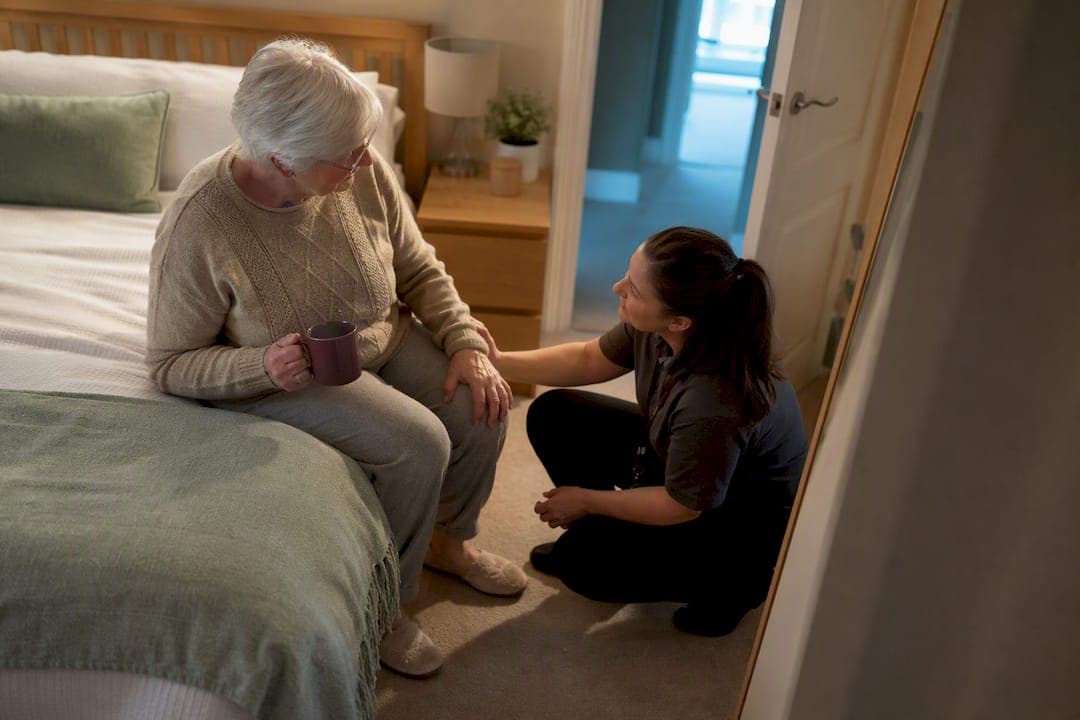
If your relative has had a fall, you can book a private, paid welfare check by a DBS-checked companion within hours, not days. Start with an urgent visit or a short trial visit if the fall was minor. The companion carries out a structured safety check, provides reassurance and company, and sends you a short written update afterwards, so you know exactly how your loved one is coping.
TL;DR:
- Private welfare checks can be booked within hours after a fall and are paid visits carried out by DBS-checked companions with relevant training.
- These visits focus on observing daily activities, checking for hazards, and supporting routine tasks, but do not replace medical assessments.
- Continuity and familiarity with the same companion over time significantly improve confidence and acceptance for the elderly person.
- Preparing a home in advance and requesting a written summary afterwards enhance the effectiveness and record-keeping of each visit.
- Most visits are arranged and paid for by family members, with clear guidelines on when to schedule extra urgent or regular follow-ups.
Table of Contents
- What is a private welfare check after a fall?
- When should you arrange a visit, and who pays for it?
- What actually happens during the visit?
- How do you choose and book the right companion?
- Preparing your relative's home and knowing what follow-up to expect
- Dignity, companionship, and why continuity matters
- How From Love With Care can help you book a visit
- Useful sources and further reading
- FAQ
What is a private welfare check after a fall?
A private welfare check is a paid, non-medical visit carried out in your relative's home by a companion who has passed a Disclosure and Barring Service (DBS) check and completed relevant training. It's entirely different from a police welfare check, which is a safety intervention carried out by officers when someone hasn't been heard from and there's concern for their safety. This is something a family arranges directly, on their own terms, for reassurance and ongoing peace of mind.
The value isn't clinical. It's psychological. A fall shakes confidence far more than most families expect, and an older person who has fallen once often becomes fearful of moving around their own home, which can quietly accelerate a decline in mobility and independence. Companionship helps in three concrete ways:
- It restores confidence by getting the person moving, talking, and engaging again in a low-pressure setting.
- It spots hazards a family member might not notice on a phone call, such as a loose rug or a poorly lit hallway.
- It supports daily routines, from taking medication on time to eating properly, which often slip after a fall.
Continuity matters here. Seeing the same face rather than a rotating cast of strangers helps someone who's feeling vulnerable settle into the visit rather than treat it as another intrusion. From Love With Care's welfare check service is built around exactly this kind of consistent, familiar support.
When should you arrange a visit, and who pays for it?
You don't need to wait for a crisis to justify a visit. Book one if any of the following has happened recently:
- Your relative has had a fall, even if they insist they're "fine".
- There's a visible bruise, cut, or sign of injury they haven't fully explained.
- They sound shaken, anxious, or reluctant to move around on a phone call.
- You suspect they've missed medication doses since the fall.
- Their mobility, appetite, or general routine seems to have dropped off.
These visits are typically arranged and paid for by family members, often charged per visit, and may include an additional fee for same-day or urgent call-outs. It's advisable to ask about any priority rates when booking to avoid surprises.
If the fall was relatively minor and your relative is otherwise coping, a single reassurance visit may be all that's needed. If it's the second or third fall this year, or if you sense their confidence has really taken a knock, consider starting with a short trial visit and building up to a regular schedule from there. From Love With Care's booking process is designed to flex both ways.
What actually happens during the visit?
A well-run welfare visit follows a consistent structure, even though it never feels clinical or rushed. Ask the companion or the service to confirm what's covered before the visit, and expect it to include:
- Discreet observation of mobility, including how easily your relative gets up from a chair or moves between rooms.
- A check on eating and drinking, and whether meals have actually been happening.
- A medication prompt or check that doses have been taken as prescribed.
- A look at personal hygiene and general home hazards, such as trailing cables or slippery flooring.
- Making a cup of tea, having a proper conversation, and generally re-establishing a normal, relaxed routine.
- A brief tidy-up, fetching items from another room, or a short accompanied walk if your relative is nervous about moving alone.
- Flagging anything that needs a GP, occupational therapist, or falls clinic referral, without overstepping into medical advice.
None of this replaces medical care. A companion isn't a nurse and won't diagnose anything, but a trained eye picking up on small changes in daily living, this is called observing activities of daily living, or ADLs, can be the first sign something needs proper attention. Full details of what's typically covered sit on the companion visit page.
Pro Tip: Ask for a standard visit checklist before booking, and request a brief written summary afterwards, even a few sentences by text or email. That short note becomes a useful record if you ever need to raise concerns with a GP.
How do you choose and book the right companion?
Not every companionship service is equal, and vetting is where the differences show up fastest. Before booking, verify the essentials:
- Ask for confirmation of an up-to-date DBS check and identity verification.
- Ask what training the companion has had, and whether there's a written safeguarding policy.
- Ask what happens if something's wrong during the visit, what's the emergency protocol?
- Ask whether you'll get a written or phone summary after every visit, not just the first one.
- Ask whether you can request the same companion for future visits.
- Ask for pricing in writing, including any premium for urgent or same-day bookings.
Watch for red flags: a service that can't produce DBS proof on request, vague or evasive answers about how complaints are handled, pricing that shifts depending on who you speak to, or reluctance to confirm you'll get a written update. Any of these should give you pause.
Best practice is to start small. Book a short trial visit before committing to a regular schedule, and where possible, ask for the same companion each time. Consistency tends to produce far better acceptance from the person receiving the visit than a different face every week, which matters enormously for someone who's already feeling unsettled after a fall. Guidance on matching and continuity is worth reading before your first booking.
Preparing your relative's home and knowing what follow-up to expect
A few minutes of preparation makes the visit far more useful. Before the companion arrives, try to have ready:
- Clear, unobstructed access to the front door and main living areas.
- A current list of medications and dosing times.
- Emergency contact details for you and, ideally, a GP surgery.
- A note of any mobility aids in use, such as a frame or stick.
- Brief details of the fall itself and any symptoms since.
Afterwards, expect a short written summary covering what the companion observed, any recommended next steps such as a GP appointment, falls clinic referral, or occupational therapy assessment, and a suggestion on how often future visits might help. That summary is genuinely useful beyond reassurance. Handing it to a GP or district nurse turns a casual visit into a documented account of how your relative has actually been coping day to day, which is often far more revealing than a single ten-minute surgery appointment. Details on what a follow-up typically includes are covered on the welfare check services page.
Dignity, companionship, and why continuity matters
The thing people underestimate most after a fall isn't the injury. It's the fear that follows it. A grazed knee heals in a fortnight; the reluctance to walk to the kitchen alone can linger for months if nobody addresses it. That's why we think of welfare visits as dignity work first, and safety work second. The two aren't in competition. A companion who turns up, makes a proper cup of tea, and has a genuine conversation is doing more for recovery than a checklist alone ever could.
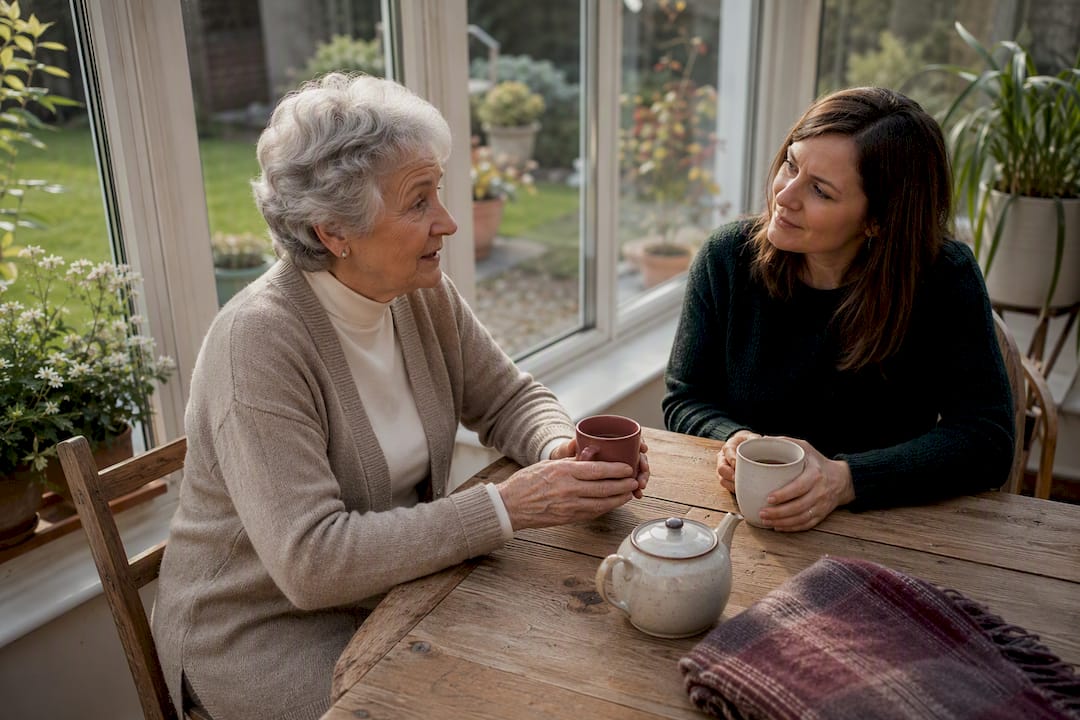
Families who've arranged regular visits often describe a similar shift: a parent who was withdrawn and anxious after a fall gradually becoming more talkative, more willing to move around the house, less frightened of being alone. That change tends to track with continuity, seeing a familiar, trusted face rather than someone new each time.
Every companion at From Love With Care is DBS-checked and thoroughly vetted before they're matched with a family, because trust is the entire foundation this kind of support is built on.
— Ayomide
How From Love With Care can help you book a visit
From Love With Care is a direct route to exactly what this article has described: an in-home welfare check and reassurance visit by a DBS-checked companion, arranged around your timescale rather than a rigid appointment slot. Where a general care agency might route you through layers of assessment before anyone sets foot in the door, our booking process is built to move fast when a fall has just happened.
You can start with a single visit or a short trial to see how your relative responses, then build a regular schedule if it helps. Visits typically involve the same practical checks and observations covered above, followed by a short update so you're never left wondering how things went. Browse our services to see visit types and how booking works, or head straight to how our companionship works to understand the process before you commit. If loneliness alongside the fall is a concern, our loneliness support services page covers ongoing options too. Getting a visit booked today is usually a matter of minutes, not days.
Useful sources and further reading
- Welfare Checks for Adults Living Alone
- Role of Companionship in Fall Prevention for Seniors
- Organising post-fall support at home
FAQ
How Quickly Can I Book a Welfare Check After a Fall?
Same-day or urgent visits are usually available, often promptly, though a premium fee typically applies for priority booking.
Who Pays for a Private Welfare Check?
Adult children or other family members generally arrange and pay for the visit directly, on a per-visit basis.
Is a Private Welfare Check the Same as a Police Welfare Check?
No. A private welfare check is a paid, non-medical companion visit arranged by family for reassurance, entirely separate from a police safe-and-well check.
Do Companions Provide Medical Care During the Visit?
No, companions are not medical professionals. They observe daily living, offer practical support and reassurance, and flag any concerns for a GP or other health professional to assess.
What Do I Get After the Visit?
You should receive a short written or verbal summary covering what was observed and any recommended next steps, such as contacting a GP or falls clinic.